[AI Art] Weaving Light, Playing Structures: 130's Quiet Revolution

![Cover Image for [AI Art] Weaving Light, Playing Structures: 130's Quiet Revolution](https://assets.st-note.com/production/uploads/images/248433903/rectangle_large_type_2_e4caacd148b5c00efa298ecec0370ef9.png)
[AI Art] Weaving Light, Playing Structures: "130's" Quiet Revolution Rewrites the Concept of 3D Printing
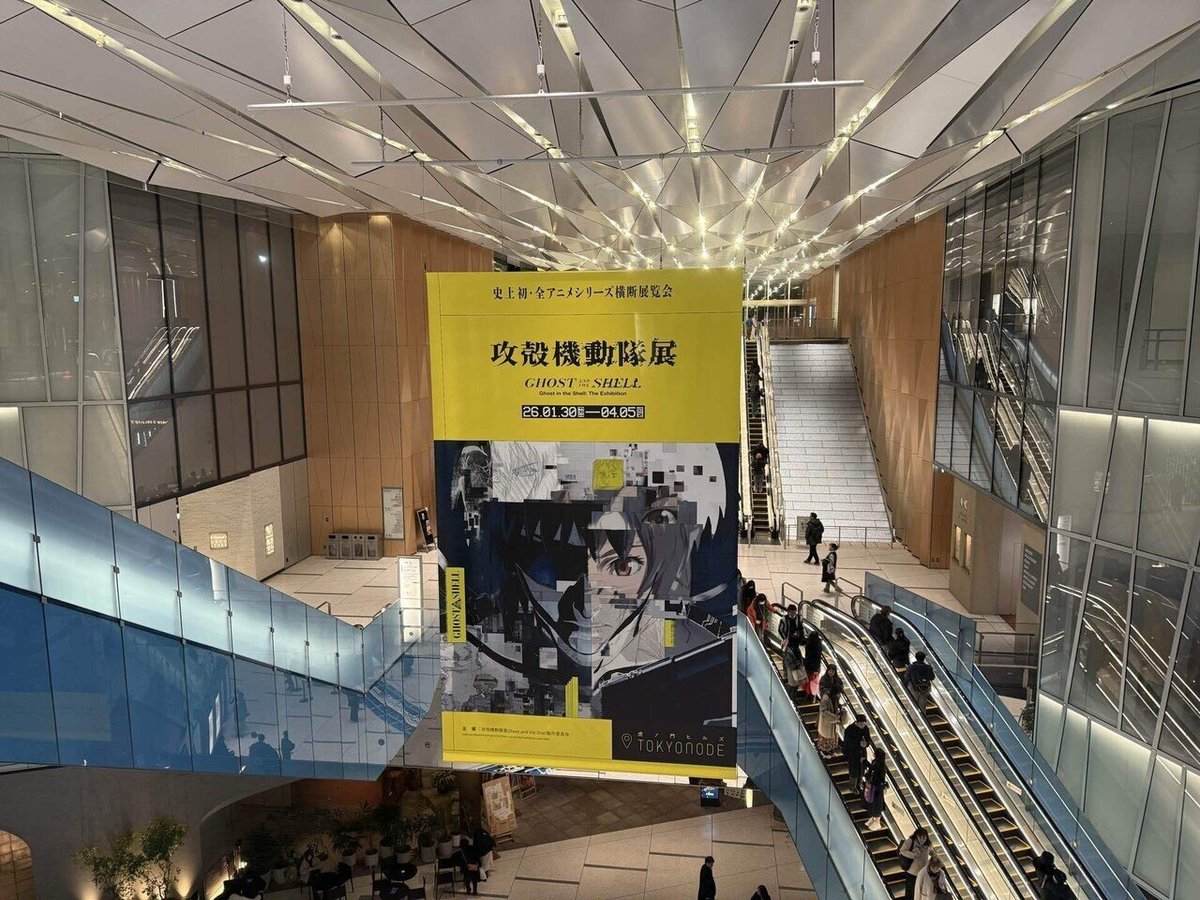
"TOKYO PROTOTYPE," held at Toranomon Hills (TOKYO NODE) from January 29th to 31st, 2026, brought together 26 creators and companies who have been attracting attention at the Osaka-Kansai Expo and Milan Design Week, showcasing experimental prototypes and artworks in AI, robotics, spatial presentation, and other fields.
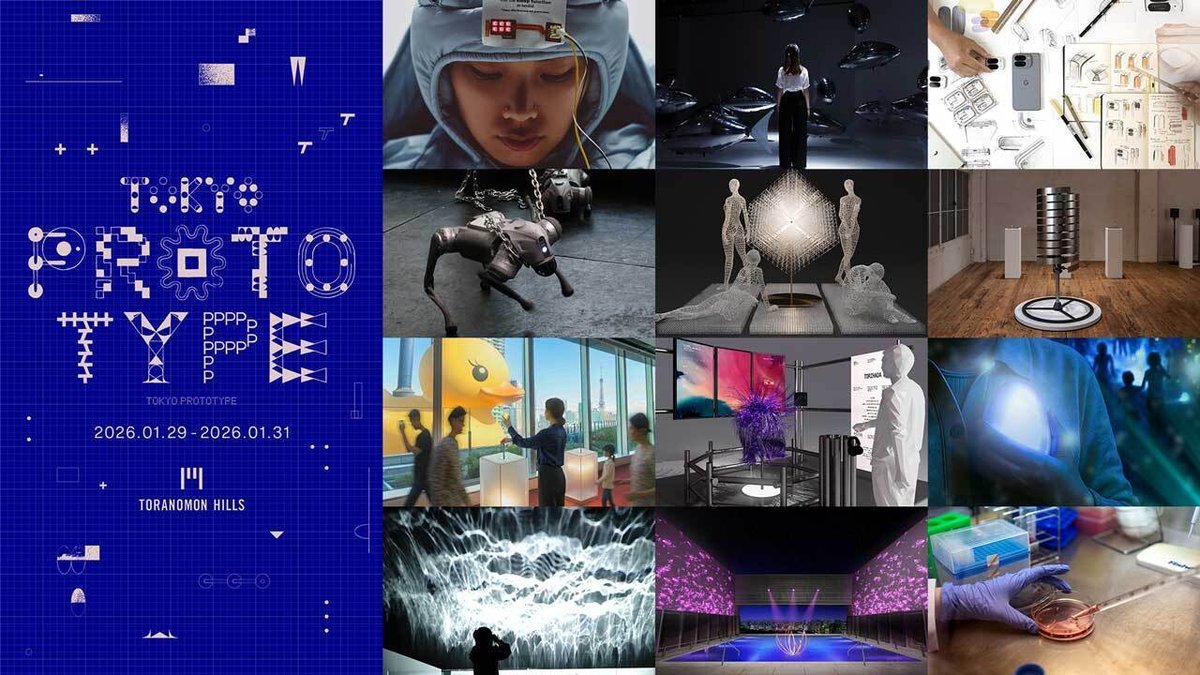
Toranomon with the clear winter air. Once upon a time, this season in Tokyo was marked by the "Japan Media Arts Festival," a season where the passionate breaths of creators intersected. In 2026, as AI shakes the foundations of art and creativity, "TOKYO PROTOTYPE 2026" appeared as if inheriting that soul, enveloped in an enthusiasm that led to entry restrictions.
TASKO x Abstract Engine - TOKYO PROTOTYPE
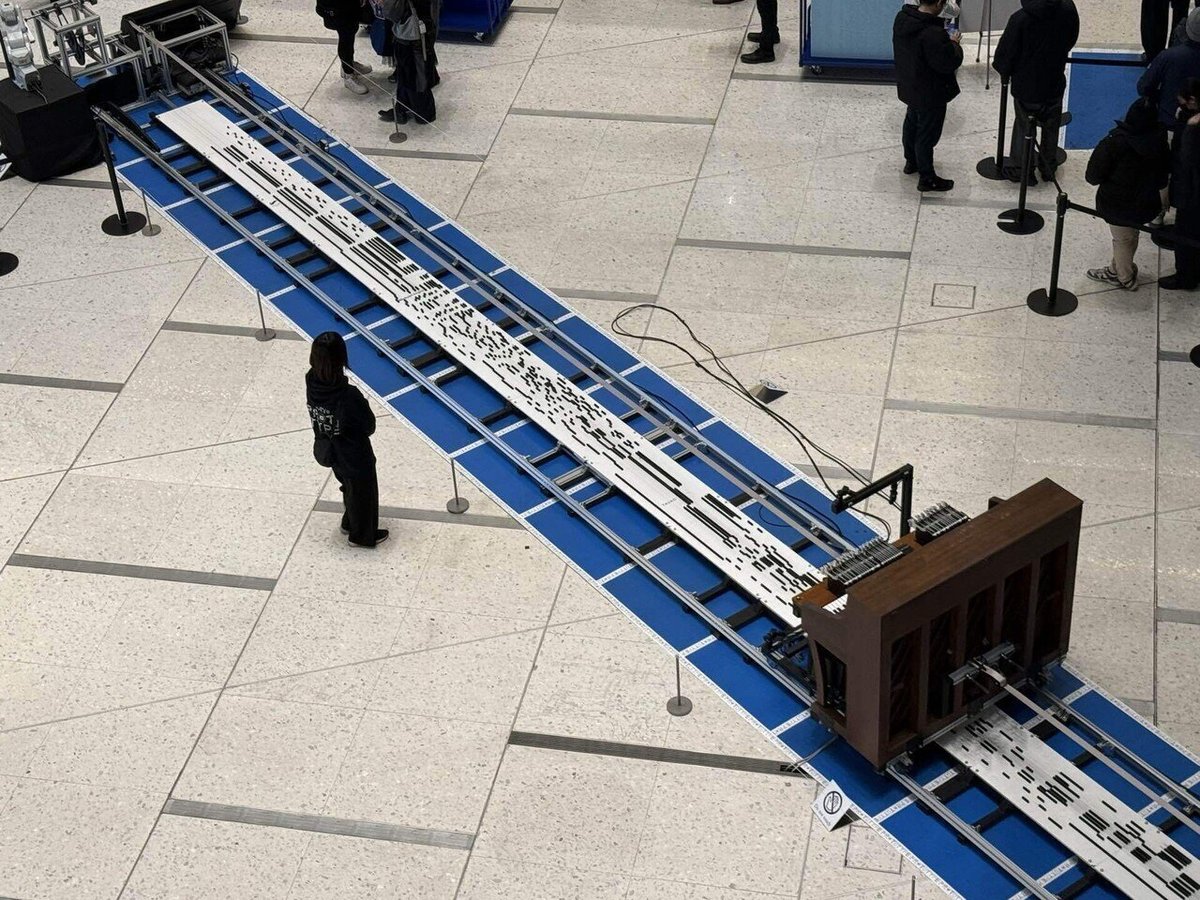
I went to cover the "Tokyo Prototype" exhibition held at Azabudai Hills TOKYO NODE! pic.twitter.com/LJtrgztrxs
— AICU - Creators Creating Creators (@AICUai)
Loading tweet component...
?ref_src=twsrc%5Etfw">January 31, 2026
Amidst the unrealistic beauty produced by the latest AI, "130 (One Thirty)," a project by Daichoku Kato of Magna Recta Inc., stood quietly but with overwhelming presence in the public space.
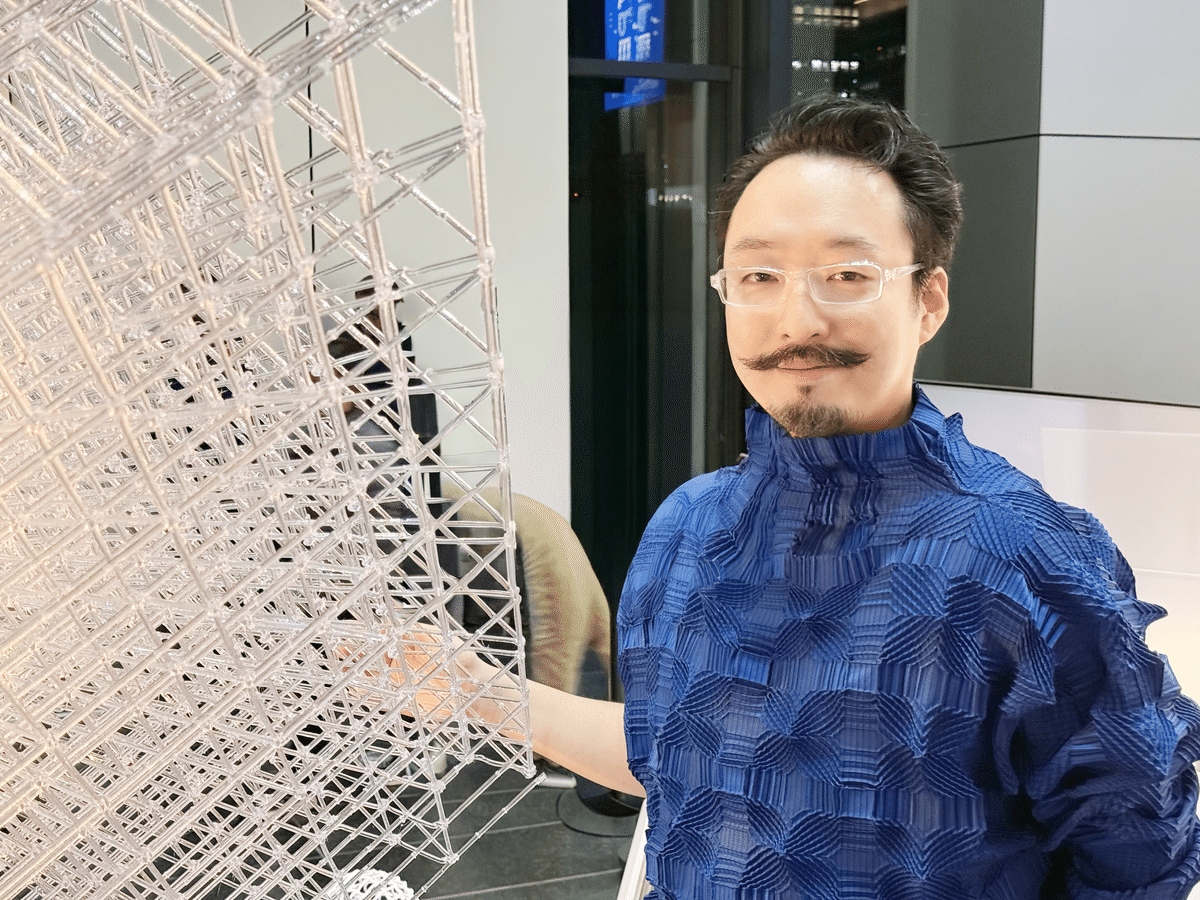
"130 (One Thirty)," a project by Daichoku Kato of Magna Recta Inc. I was fortunate enough to hear directly from Mr. Kato himself about the depths of his design philosophy at the venue.
Daichoku Kato of Magna Recta Inc. and his work "130 (One Thirty)"
Architectural Thinking of "Erecting in the Air"
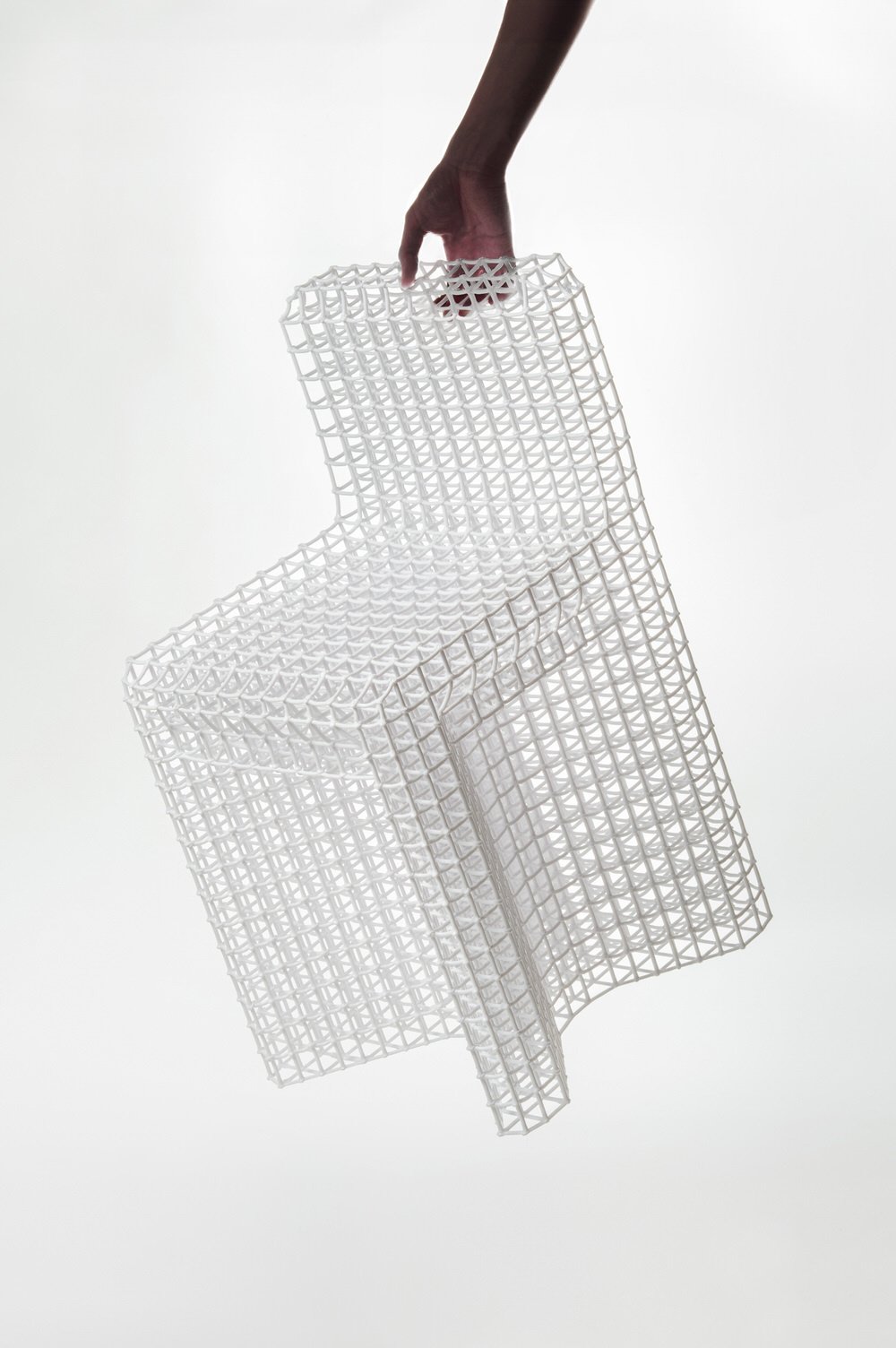
Kato's method is different from the 3D printing we know. It is not lamination but "architecture" itself in space.
"We are not doing this two-dimensional lamination, but rather researching from the ground up a technology that is like erecting beams and columns of architecture in the air."
While treating thermoplastic resin as a fluid, he directly draws "lines" in the air and creates nodes. Behind this is a pride in technology that is almost like an obsession, saying, "We do everything from basic research to applied research."
It is more like a "digital weaving machine" that the computer deciphers the laws of physics and spins out, rather than printing. He has unleashed the free-form surfaces that he once gazed at through the display into physical "skeletons."
Fixing the "Morning Star" as a Physical Phenomenon
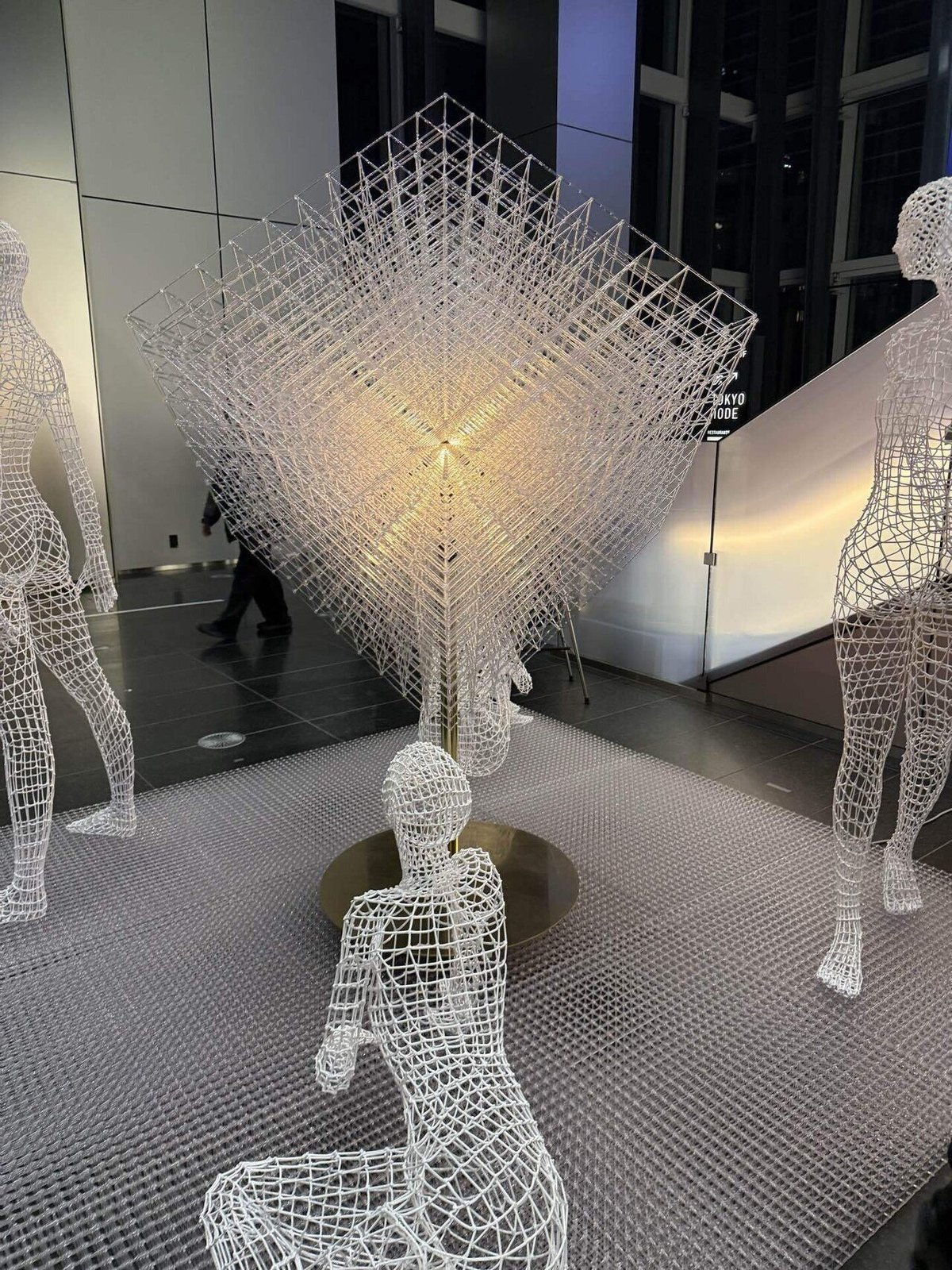
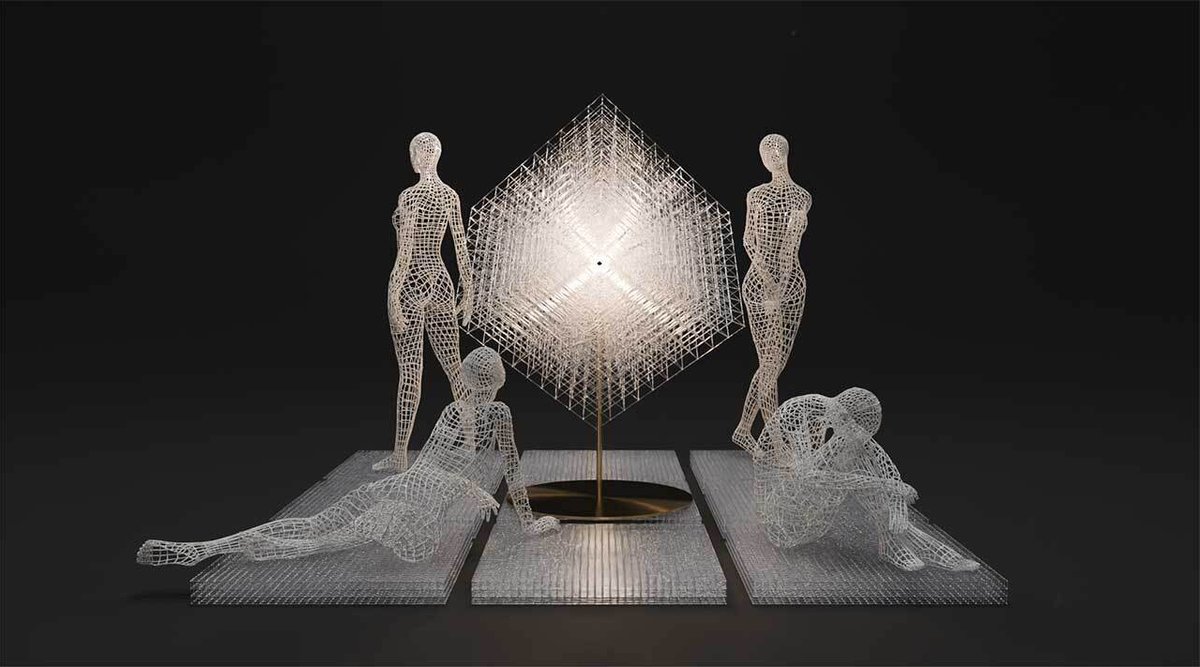
The exhibited room lamp "Helio" is more than just a lighting fixture; it is also an optical experiment.
"The idea came from the morning star."
You can touch and rotate it directly.
A collection of square pyramids converging towards the core. A shape that looks like it's going to the middle from any angle. Direct light also enters, and refracted light is also beautiful. The calculated "refraction" creates a jewel-like brilliance as light passes through the complex lattice, which he describes as "like looking at a pyramid from the bottom, or like pressing a pyramid from six sides." The beauty is completed only when it encounters physical light. Kato has visualized the "path of light," which should be invisible, with a resin frame that can be touched and moved.
The Pinnacle of Topology, "Beautiful in the Nude"
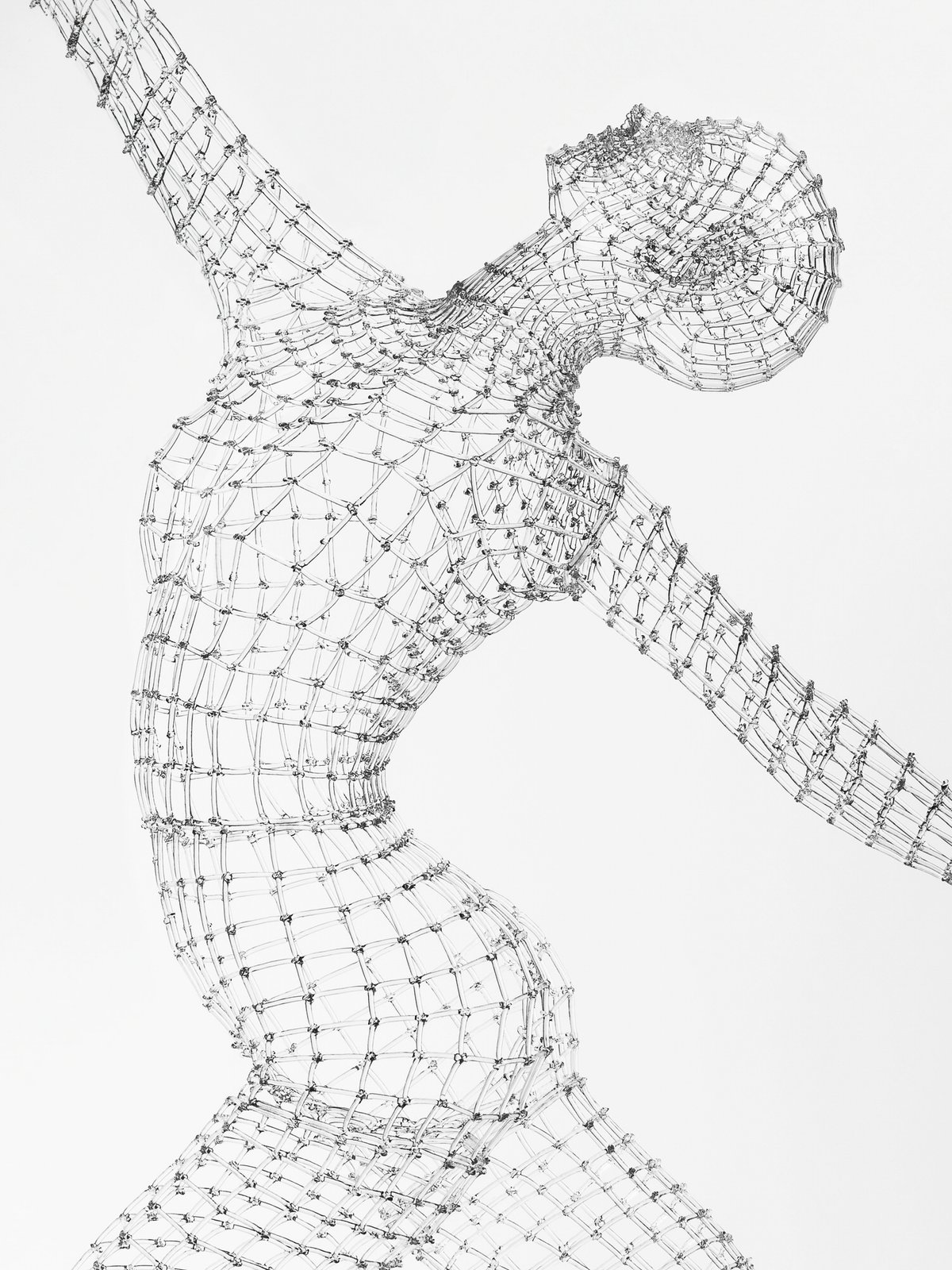
In the dialogue with Kato, the most penetrating point was the relationship between "mannequin" and "topology (phase)." He is exploring structures not for "meta-materials" such as chairs and boxes, but for creating "mannequins that are beautiful in the nude."
"This time, we are constructing the topology in a fairly sculptural form, so we are not doing topology for animation. As a sculptural beauty, as a mannequin, in a 'beautiful in the nude' kind of way. If you overdo it, it becomes too raw, and if you really overdo it, it just becomes a stiff shape."
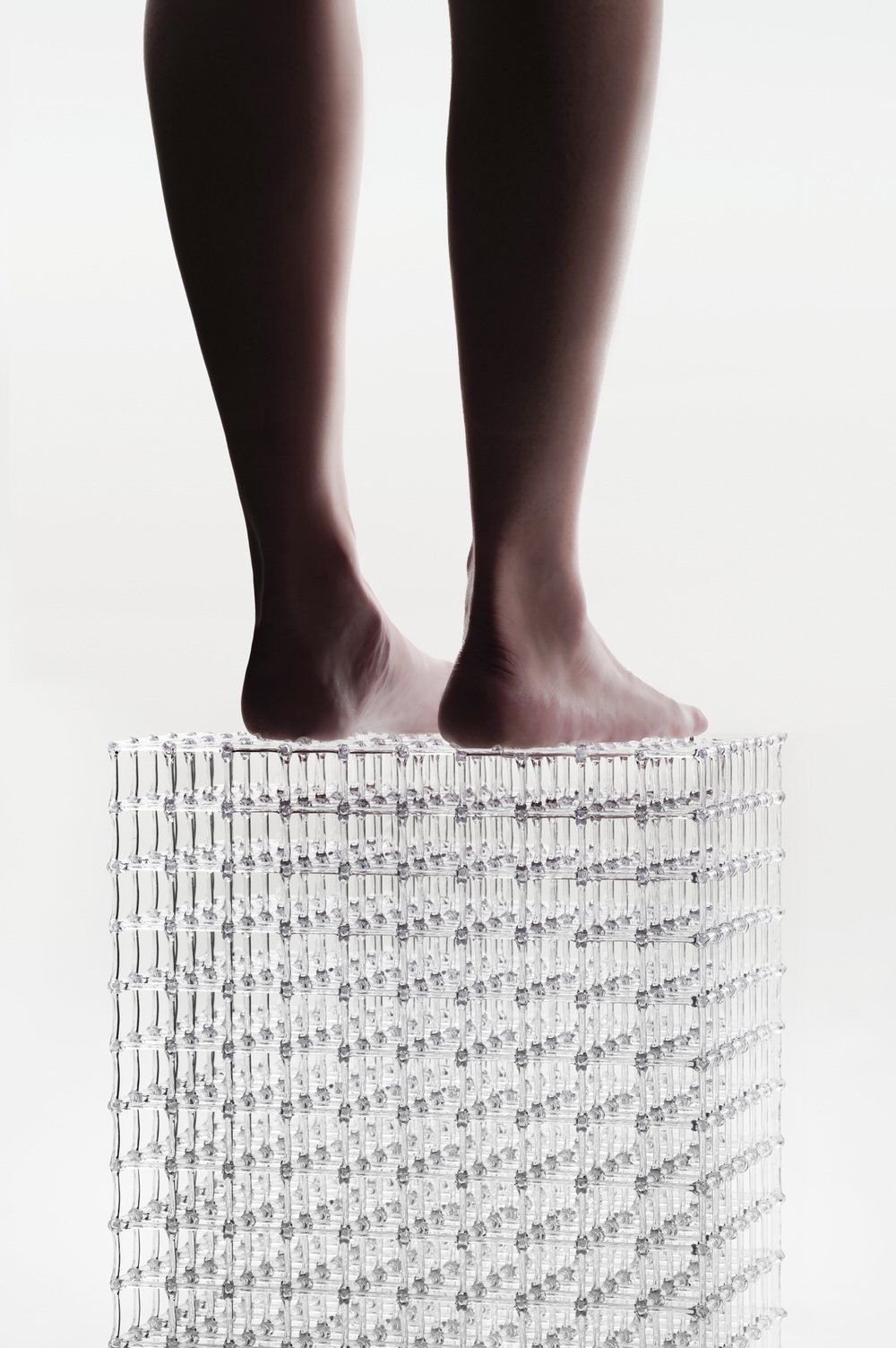
In normal computer graphics, the areas that should be allocated the highest resolution are the places where the line of sight gathers, such as the "face" or "around the nose." In animation, the area around the mouth deforms the most. However, in a mannequin that stands in reality, he pours the densest structure into the legs that support the weight and the waist that distributes the force, while pursuing the beauty of the human body such as the legs, waist, and upper body with meshes as a structure for "beauty of existence."
"After all, the legs firmly support it, and the waist properly distributes the force. Those are the delicious points to see. It is a structure, so it immediately becomes a meta-material, but unless you design it correctly, it becomes ugly."
Rediscovering 21st Century Sculpture
Kato aims not only to manufacture products. His gaze is directed at the history of design itself.
It is possible to reproduce 3D shapes as they are used in games and movies. It is also possible to create shapes on the same scale as the real world, or to create and connect huge shapes. Colors are also available in transparent and opaque colors, and each frame has a handicraft-like expression and does not feel as cold as industrial products.
Existing products have an exterior that serves as a structure to hold the shape, but 130 creates a framework instead of an exterior, making it much lighter than products made of panel or shell structures that are commonly found in ready-made products.
It can also be filled in a lattice pattern for shapes that require strength, such as when a load is applied, making it extremely robust. In addition, the density distribution can be varied for parts that need to be light or parts that need to be strong, achieving both robustness and lightness.
Partial damage can be completely repaired partially, and everything can be dismantled and a new one can be created. The dismantled materials are regenerated in-house as new materials, achieving a cycle of molding and dismantling with an ultra-minimal footprint.
Melting resin, weaving structures, and fixing shapes in space. In that process, digital patch division continues to seek the "correct shape" forever.
At the end of the interview, he replied powerfully, "Thank you," to our words, "I want to see your new work when it's done."
In an era when AI continues to expand the sea of information, we are convinced of the future with a solid feel in the "nude beauty" woven by Kato. We can't wait to see what kind of free-form surfaces that technology, which is attracting attention in Milan and the world, will create next.
🔗 To Know More Deeply
Touch the Passion of Daichoku Kato
A turbulent trajectory from a former delinquent to a prestigious art university in NY. At the end of frustration and curiosity, he came to work on ISSEY MIYAKE and Shohei Ohtani's artwork. 👉 【Cemedine Reports】Daichoku Kato's Life Story Challenges the World with Innovative Modeling Beauty
Former Yankee → English-Immersed Life → Encounter with 3D Printing in NY——Daichoku Kato's Life Story Challenges the World with Innovative Modeling Beauty
www.cemedine.co.jp Daichoku Kato, who graduated from a prestigious art university in the United States and worked as a designer in NY before returning to Japan. More than 10 years of experience in the 3D printer industry
https://www.cemedine.co.jp/cemedine_reports/naokikato2025interview.html
See "130's" Philosophy and Latest Projects From the World Athletics Championships installation to Milan Design Week and Nogizaka's showroom. The ever-changing value. → 130 (OneThirty) Official Site