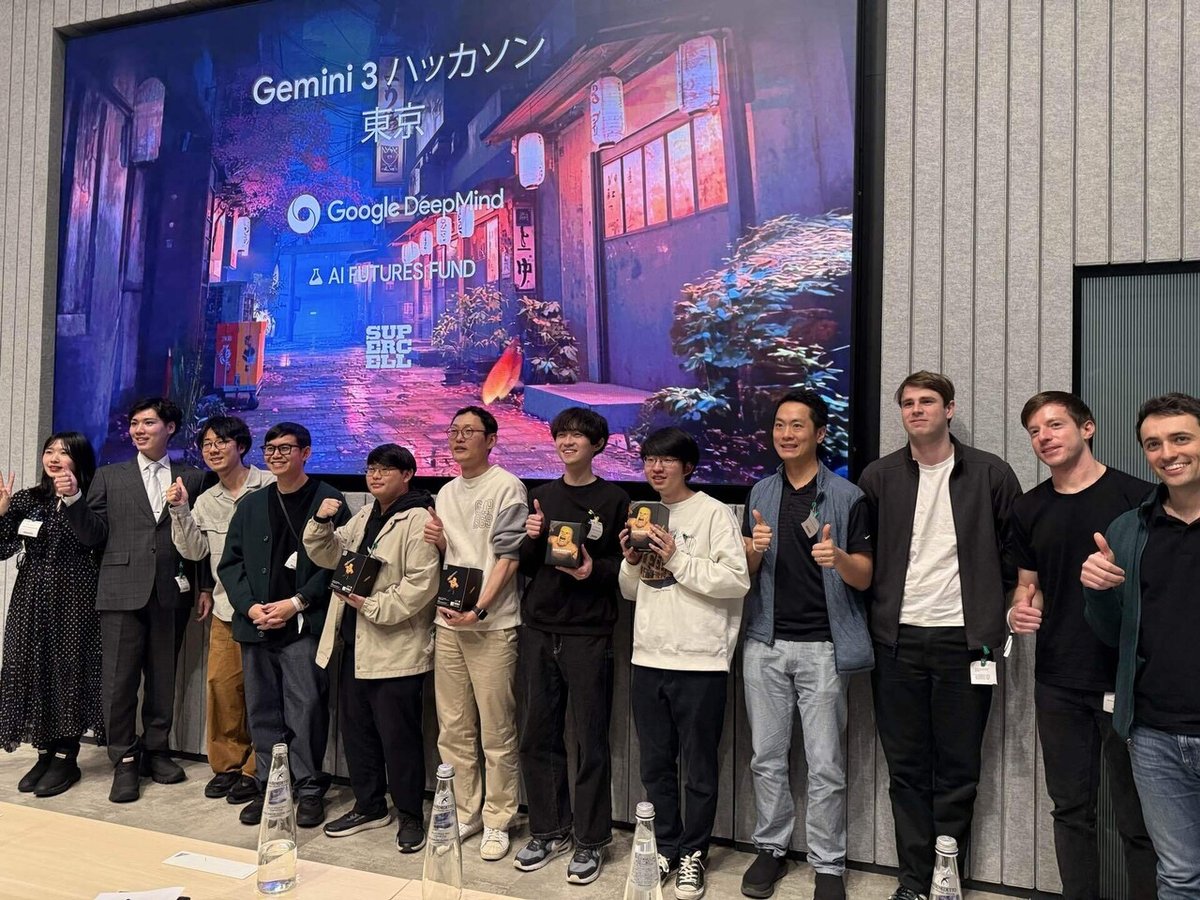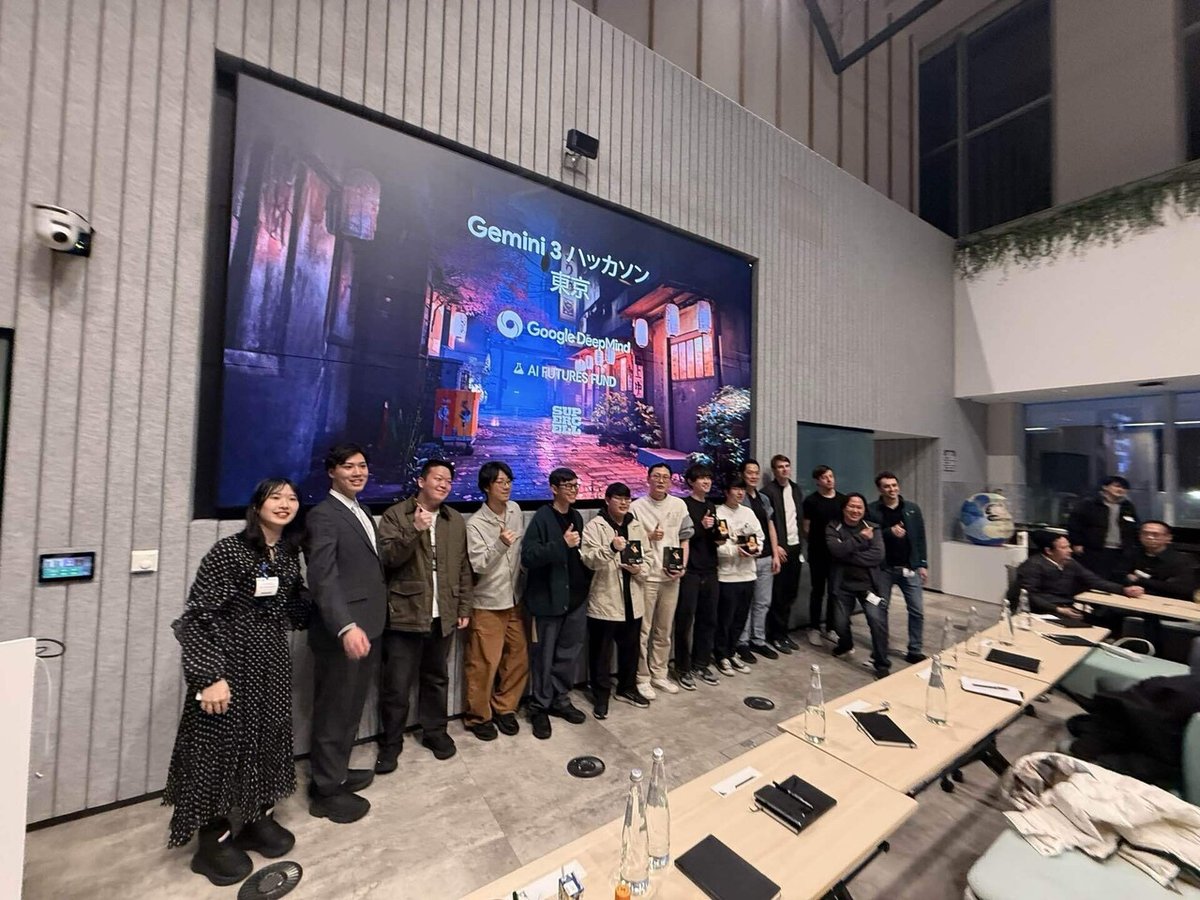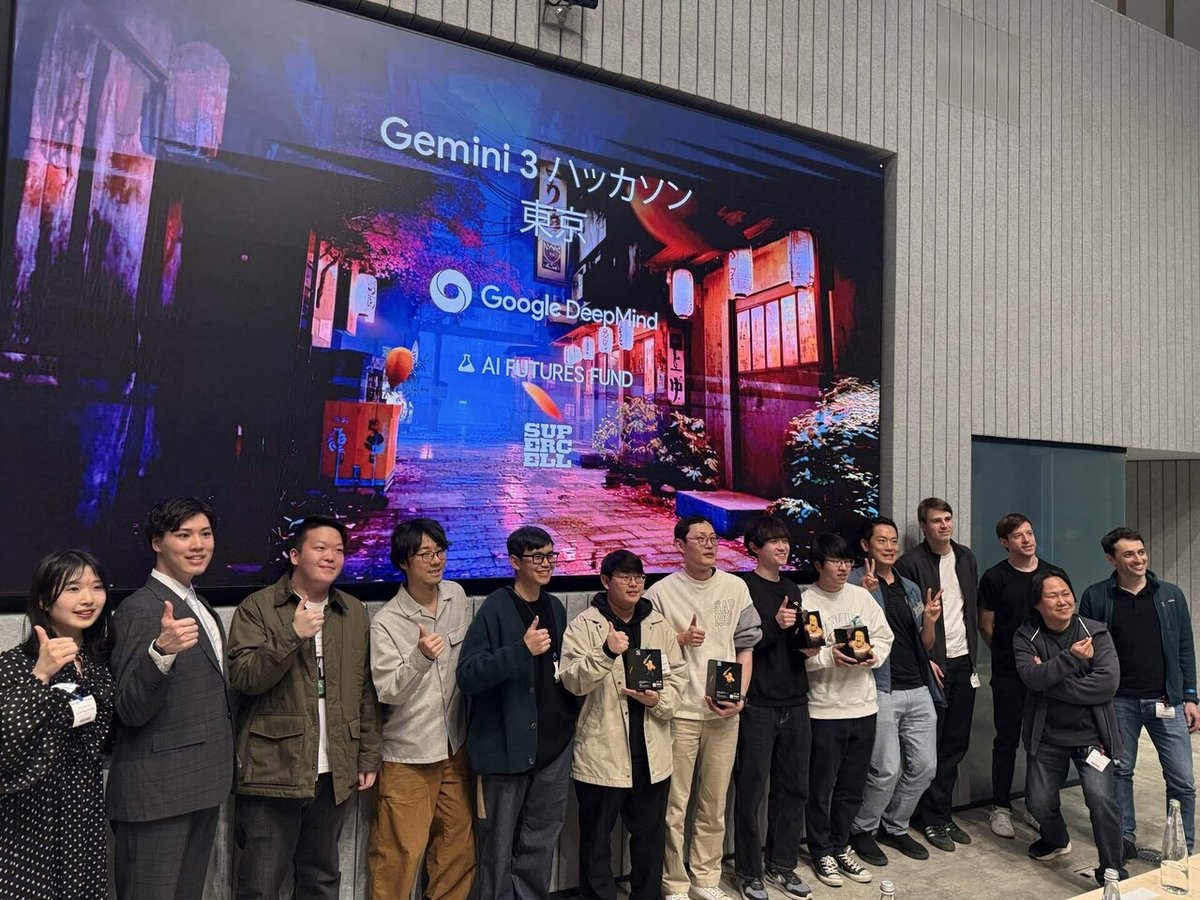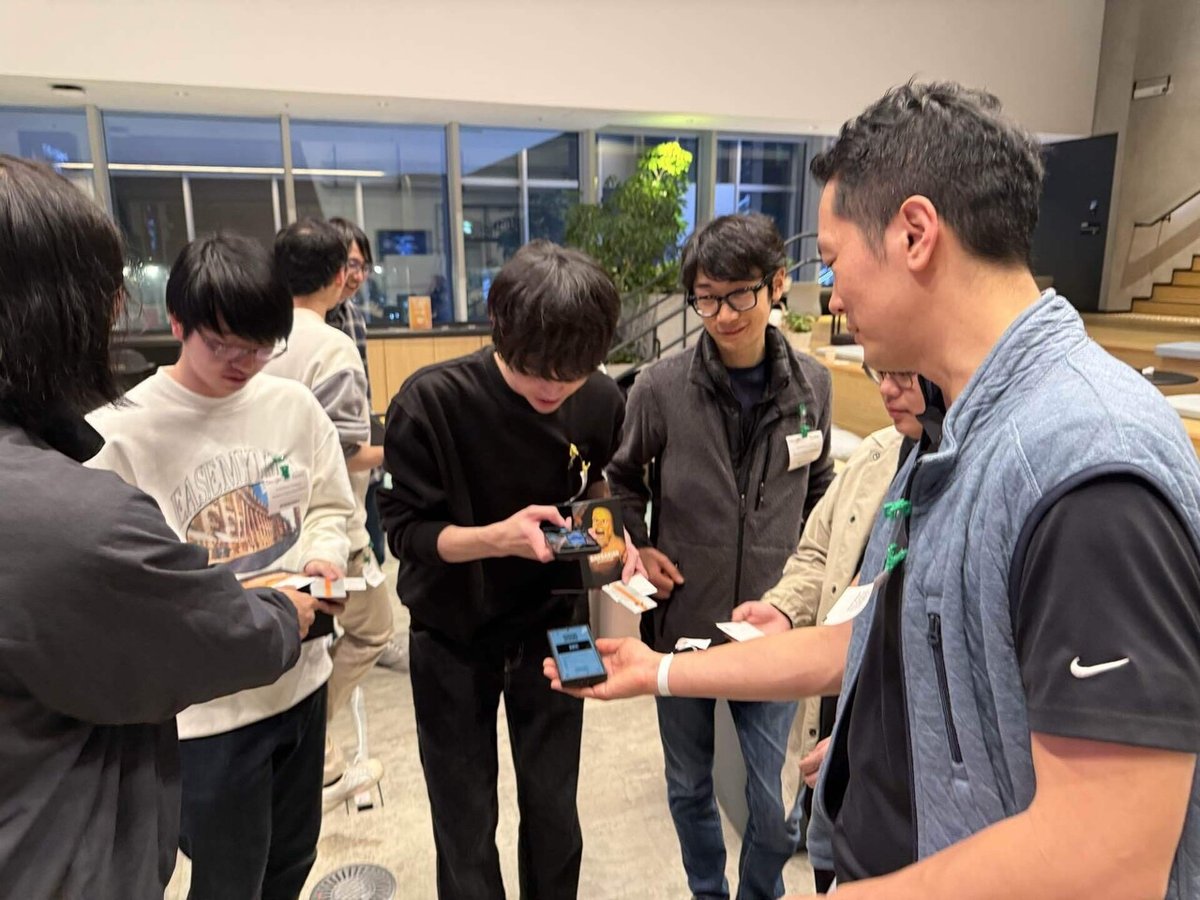
Experiencing Google Developers in Shibuya! "Gemini 3 Hackathon Tokyo" - Creating an "AI-Powered Game in 7 Hours"

Reporting on the excitement of the "Gemini 3 Tokyo Hackathon" held on February 21, 2026, from the perspective of Nao Verde, who is in charge of music and development technology at AiCuty.

The "Gemini 3 Tokyo Hackathon" Was Interesting From the Start
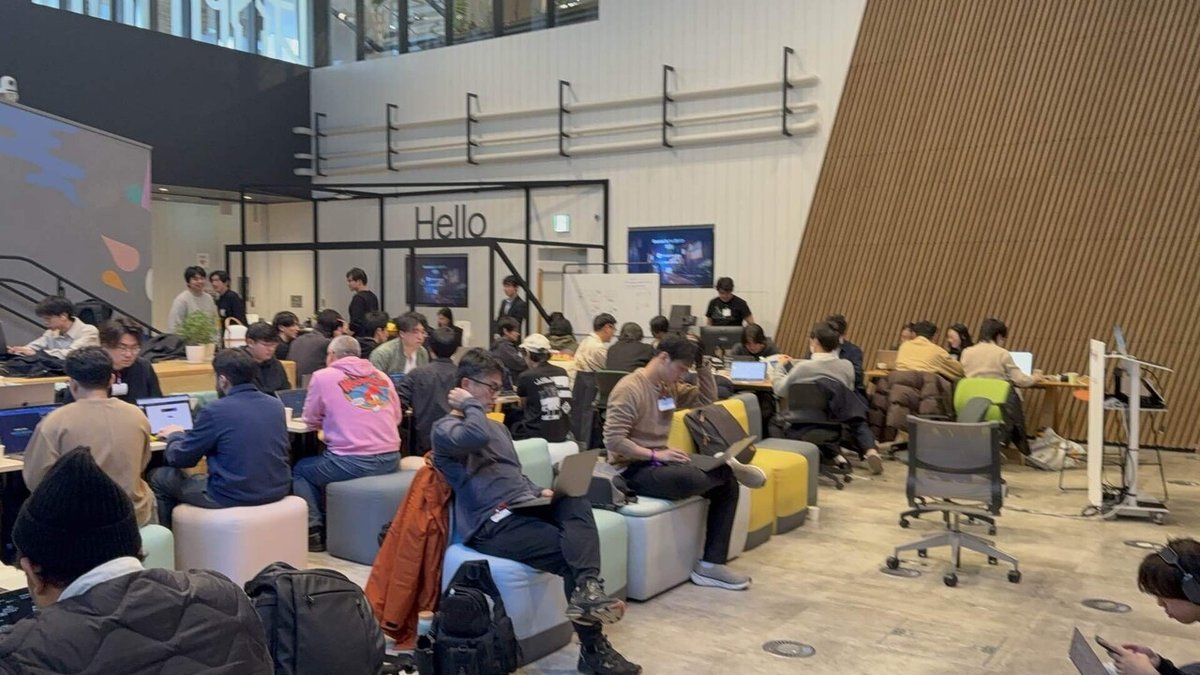
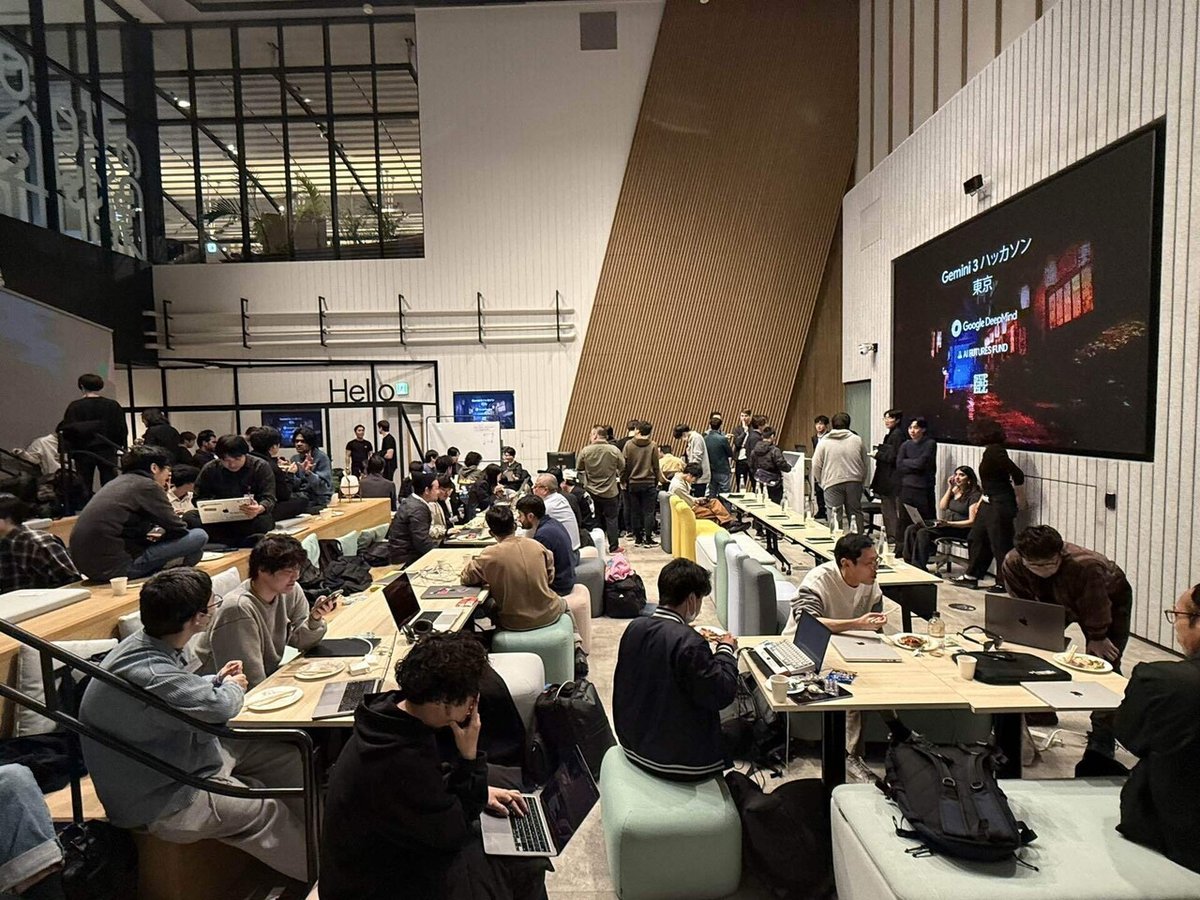
Hackers gathered on the 5th floor of Shibuya Stream. A hackathon is a battlefield for creators, where new technologies are shaped within a limited time. The "SUPERCELL Global AI Game Hackathon" is still fresh in my memory, but this time, Google Japan is the stage, and the theme is games.
I get absorbed when I make music, but the enthusiasm at the venue may have been even greater. DeepMind, the cutting-edge AI development division within Google that develops Antigravity and other projects, is sponsoring the event. The weapon they gave the hackathon participants was the right to use Google's latest AI models. Participants are given special credits. In other words, they have unlimited access to the next-generation AI tools that are familiar to our project "AiCuty," such as the image generation model "Nano Banana," the "Live API" that enables real-time conversations, and "VertexAI."
On the other hand, the rule book said, "Use the venue as if you were at your grandmother's house," which made me laugh a little. But the content is very serious. In particular, the list of "prohibited projects" was interesting because it told the real story of AI development today.
Deciphering From the Rule Book
Latest AI Development Issues: AI x Game's Unknown Territory
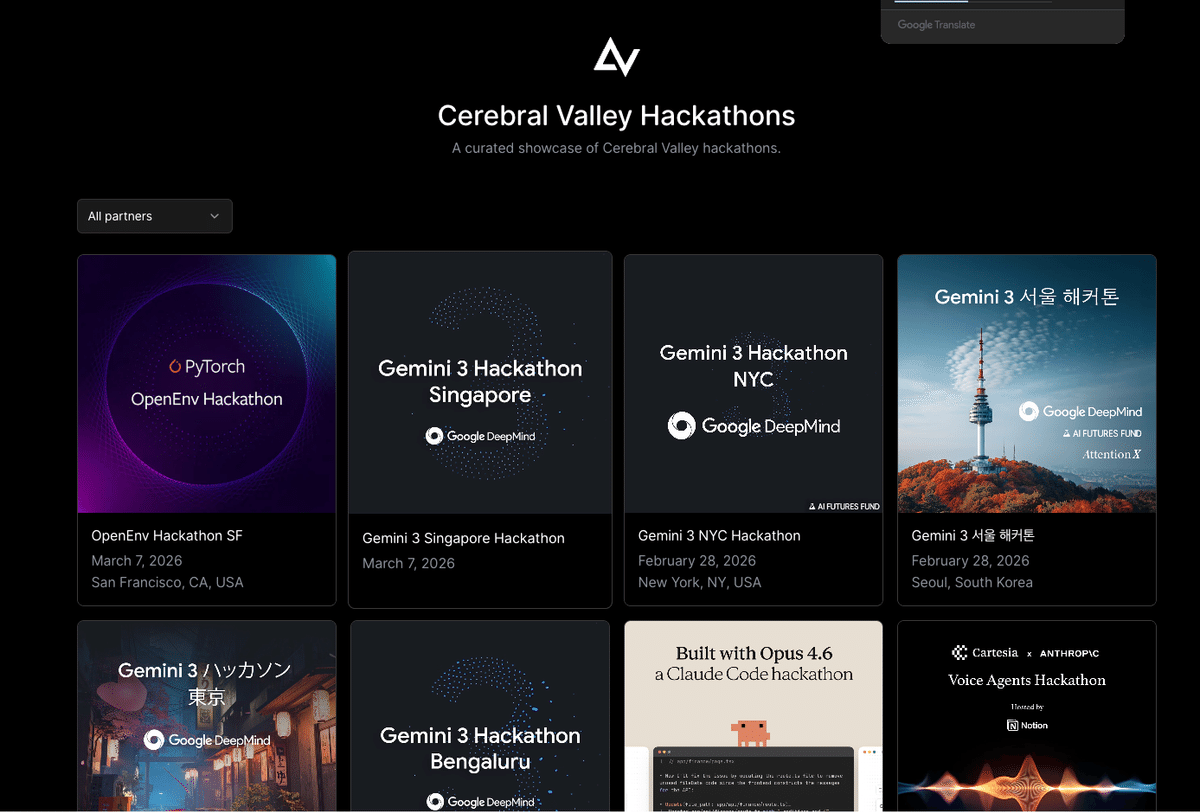
First of all, a hackathon portal site called "Cerebral Valley," which has recently become popular in Silicon Valley, was used for this hackathon. The English instructions that were distributed seemed like just event precautions, but as I deciphered them, I found that the management's humor and sincere feelings about "hackathon clichés" were hidden in this very interesting document.
Cerebral Valley
cerebralvalley.ai The premier ecosystem for AI builders, researchers, and found
https://cerebralvalley.ai/hackathons
The statement can be broadly divided into two parts.
①AI-Powered Games: Unprecedented Interactive Experiences.
②Enhancing Game Development Tools: How AI Can Accelerate the Development Process.
1. Google Management Aiming for "Grandma's House"
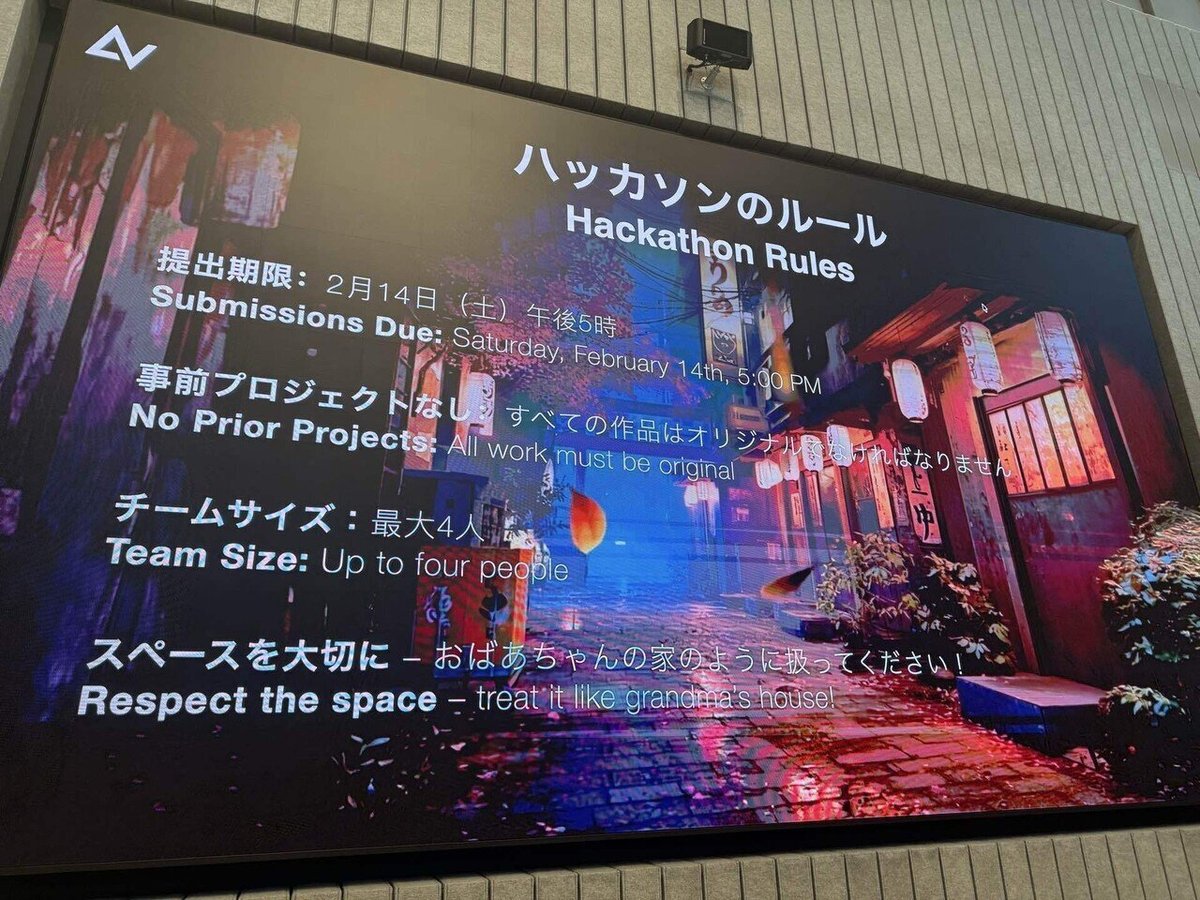
Rule: Please use the venue as if you were at your grandmother's house. Formal bedding will not be provided, but sofas, chairs, and other seating suitable for resting will be available.
The ultimate power word to calm down the wild beasts (hackers) coding overnight with bloodshot eyes is probably "Grandma's House." The management's sincere wish is that people will share the limited space and spend their time warmly, while at the same time, "breakfast, lunch, and dinner + high-quality coffee" are being distributed like crazy, which made it feel like a "Shibuya Stream" grandma's house.
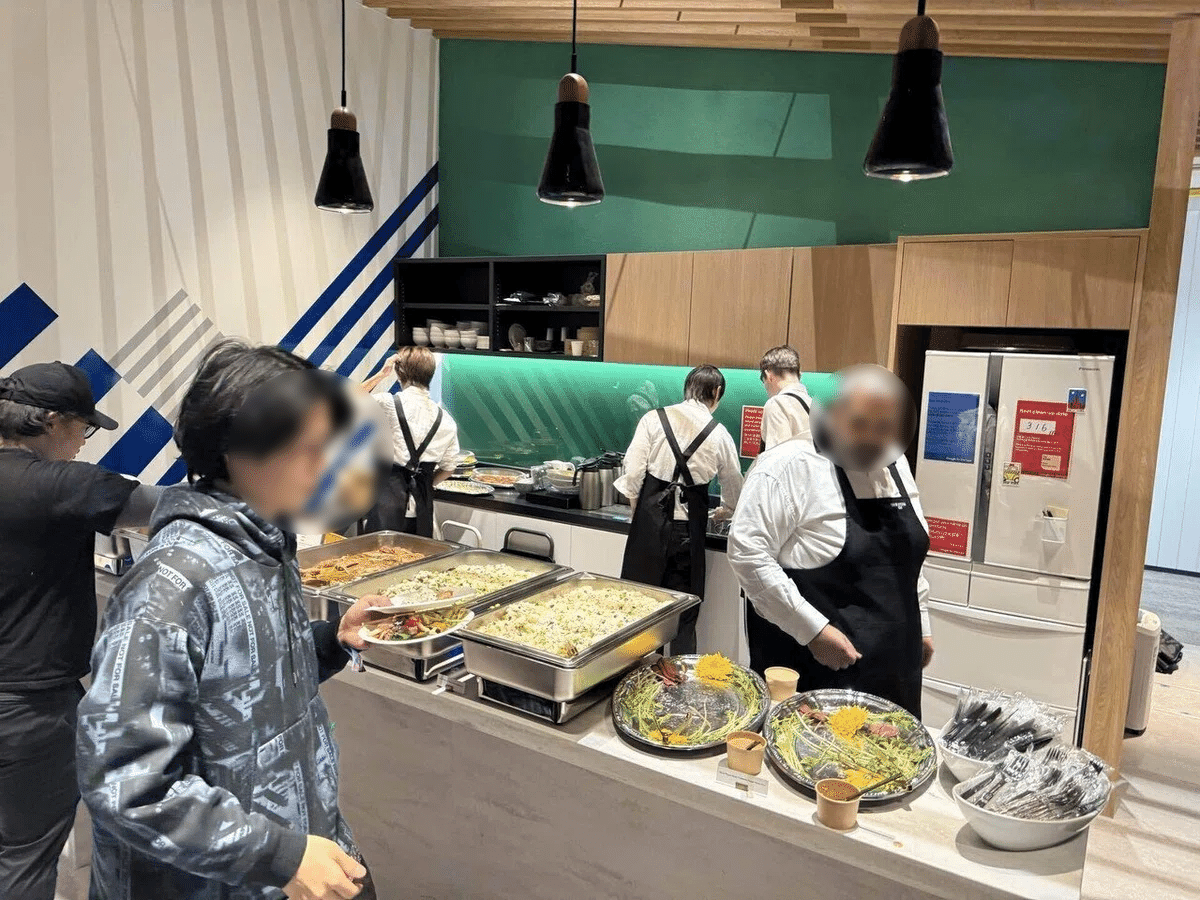 The delicious dinner after the English presentation!
2. The Management's True Feelings Are Leaking! An Excellent List of "Prohibited Projects"
🚫**Prohibited Project Examples (Please Don't Do These): ** Basic RAG Applications Streamlit Applications AI Mental Health Advisor / AI Nutrition Coach / Personality Analysis Tool
This was the funniest part! People in the hackathon community would hit their knees and say, "I know, right!!" when they saw this list.
In a nutshell, it's probably the screams of the judges saying, "I don't want to see any more 'Let's try using AI' apps that beginners make from tutorials!!" Any basic "RAG" that just reads PDFs or any shoddy app made with the simple UI tool "Streamlit" will be immediately rejected. Furthermore, I feel a strong will that says, "Don't do anything related to mental health, recruitment, or medicine, because it's ethically and legally dangerous if AI says something inappropriate." This is a brilliant defense line that prevents "common AI apps that everyone has seen before" from being created in advance. As expected of a hackathon that takes place on the world stage, it's a bit different.
3. Actually, It's a "Super Hardcore Game Development" Theme
Problem Statement: AI-Powered Games (Using Nano Banana, Live API, etc.) Enhancing Game Development Tools
The event name is "Gemini 3 Tokyo Hackathon," which seems broad, but when you look at the theme, it's a very pointed theme: "Make a game with AI, or make a game development tool." Bots that make work easier or business efficiency tools for business should be made for work from Monday to Friday. If you're going to make something in just one day on Saturday, use Google's ultra-high-performance image generation AI "Nano Banana," the real-time conversation "Live API," the newly announced "Google Gemini 3.1 Pro," voice synthesis, image analysis, music generation, and other lesser-known APIs and models to "break through the limits of entertainment that humans can truly enjoy!" I took it as a hot (and heavy) challenge from Google.
4. The 1st Place Prize Is Too Much of a "Magic Card"
🥇Prize: USD 150,000 1st Place: $50,000 Gemini API Credits 2nd Place: $30,000 Gemini API Credits 3rd Place: $20,000 Gemini API Credits Plus a 1-on-1 meeting with the founder of Google AI Future Fund Supercell Collectible Figures for the Top 3 Teams
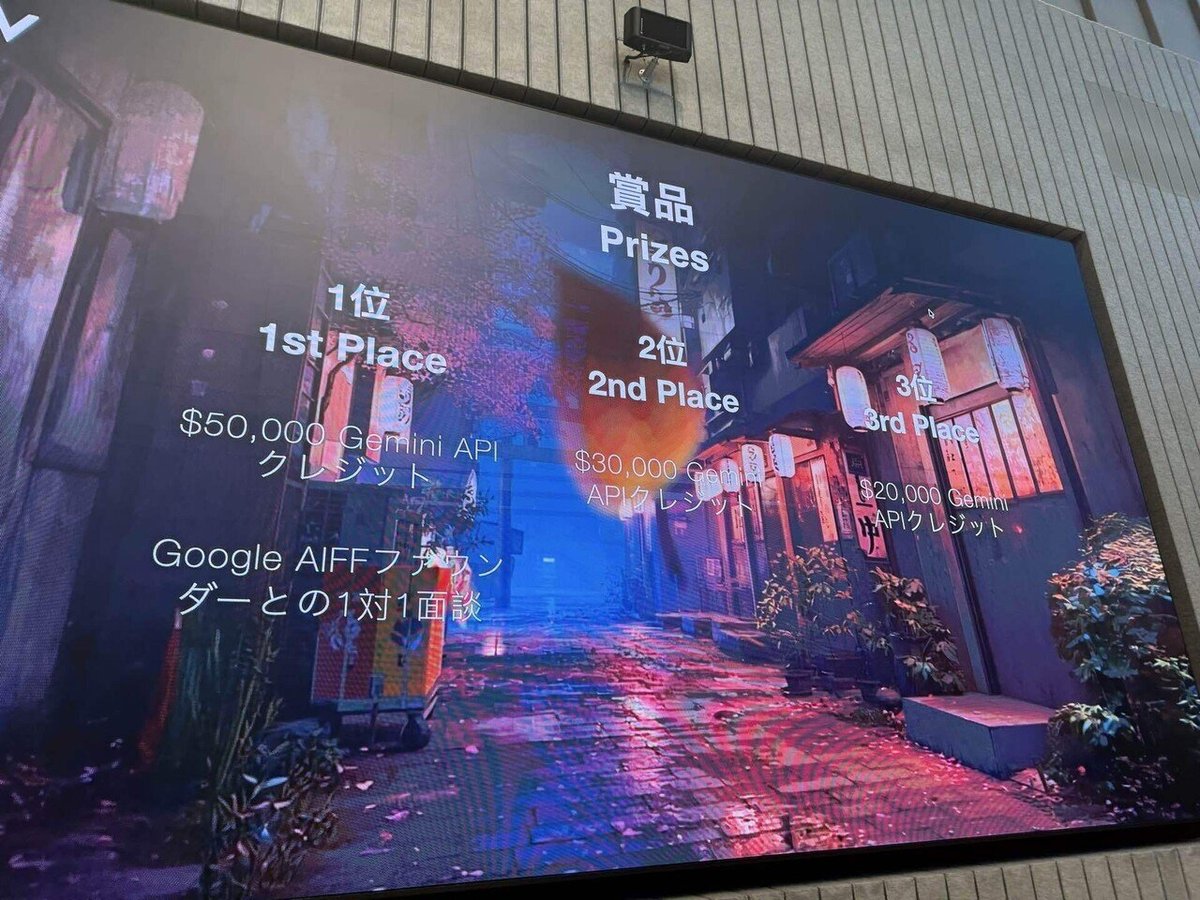
The 1st place prize is API credits worth approximately 7.5 million yen. It's a dream come true to be able to tap into the API as much as you want for the rest of your life! Furthermore, a 1-on-1 meeting with the founder of Google AI Future Fund is a magic card that gets developers even more excited than cash!
Explanation: What Is RAG (Retrieval-Augmented Generation)?
RAG (Retrieval-Augmented Generation) can be summarized as "an AI system that answers while looking at a cheat sheet (external data)." Ordinary AI (LLM) answers based only on memories learned in the past, so it may pretend to know things (hallucination) when asked about things it doesn't know. However, with RAG, it is possible to "first search (Retrieval) company materials and PDFs, and then generate (Generation) answers based on that content!"
Why Are "Basic RAG" Applications Prohibited?
If I were to represent the hackathon designer's true feelings, it would probably be "I'm tired of seeing apps that just chat with PDFs!!" In the current AI world, tools have evolved so much that even beginners can create a "RAG app that can read PDFs and answer questions" in just a few tens of minutes. It's like the "Hello World (introduction)" of AI. It's a bit of a weak idea to present it at a top-level hackathon with a prize of approximately 7.5 million yen.
Explanation: What Is Streamlit?
Streamlit is a magical tool that allows you to create a Web app screen (UI) in no time just by writing Python (programming language) code! Normally, you would have to write separate screen languages such as HTML, CSS, and JavaScript to create a Web app, but with Streamlit, engineers can quickly and attractively share "data analysis results" and "AI demo screens."
Why Are "Streamlit Applications" Prohibited?
If I were to represent the hackathon designer's true feelings, it would be "I told you to make a serious 'game'!!" Streamlit is like "super delicious cup ramen." It's easy and convenient, but the design freedom is low, and all of them look like "data dashboards that you often see." The theme of this hackathon is "AI-Powered Games." If you bring a paper-play-like app made with a Web tool (Streamlit) that is common in the data analysis industry to create a rich and interactive gaming experience, it won't be exciting and it won't be a game. You're going to spend 7 hours concentrating on it, so I want you to create the most advanced game UX!
As a musician, I'm very interested in how AI will change the creative field. Beyond being a mere "convenient tool" or a "beautiful image generation tool," what is the moment when AI changes "human excitement and enthusiasm"? What will be created by the cutting-edge developers gathered in Japan? What is unique to Tokyo in this hackathon held in various countries around the world? The challenge to that was overflowing in this venue.
Timeline of the Day
From the opening at 9:00 AM to the deadline at 5:00 PM, the hackers spared no time writing code and refining prompts. 10:00 AM: Kickoff. The beginning of the battle. 17:00 PM: Submission deadline. From here, the fate of the screening. 19:00 PM: Final presentations by 6 finalist teams. 20:15 PM: Announcement of winners. The teams here were also converting their passion into the form of "code." Although the genres are different, the attitude toward creating things is the same. I was very inspired.
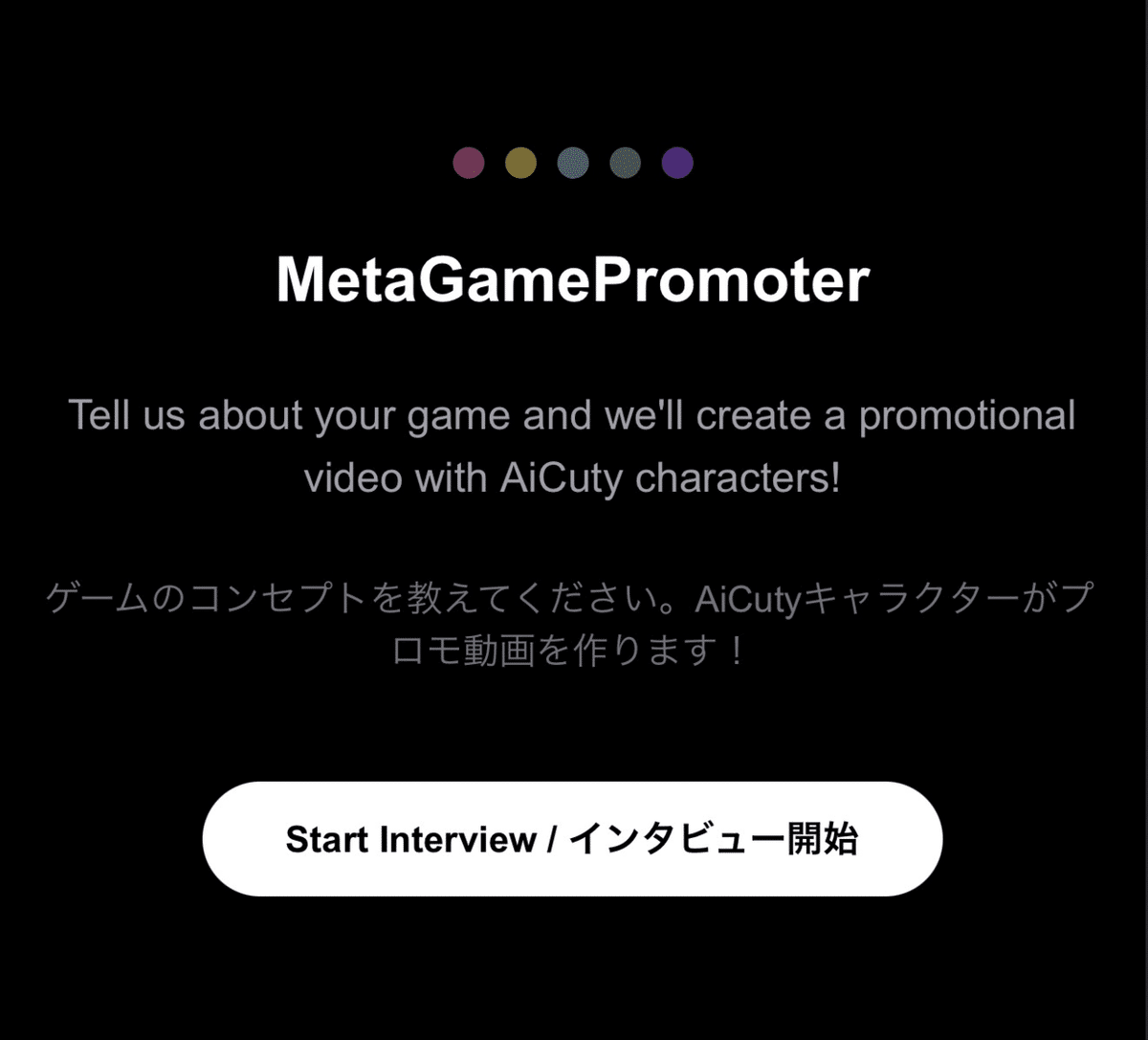
By the way, AICU's representative, Dr. Shirai, participated after finishing his coverage during the day. It seems that he developed a tool in just one hour that will allow more and more games in which we AiCuty are active to be born!
"MetaGamePromoter"
https://www.youtube.com/watch?v=CJQxeyswuXo
Photo Report
Exciting https://t.co/gVTMGAprmE pic.twitter.com/Rndp4Wq6b1
— Shane Gu (@shanegJP)
Loading tweet component...
?ref_src=twsrc%5Etfw">February 21, 2026The Gemini3 hackathon was a great success...!
Here's a photo report from the venue #Gemini3 #Gemini3hackathon pic.twitter.com/K2xt7j5TYp
— AICU - Creators Creating Creators (@AICUai)
Loading tweet component...
?ref_src=twsrc%5Etfw">February 21, 2026
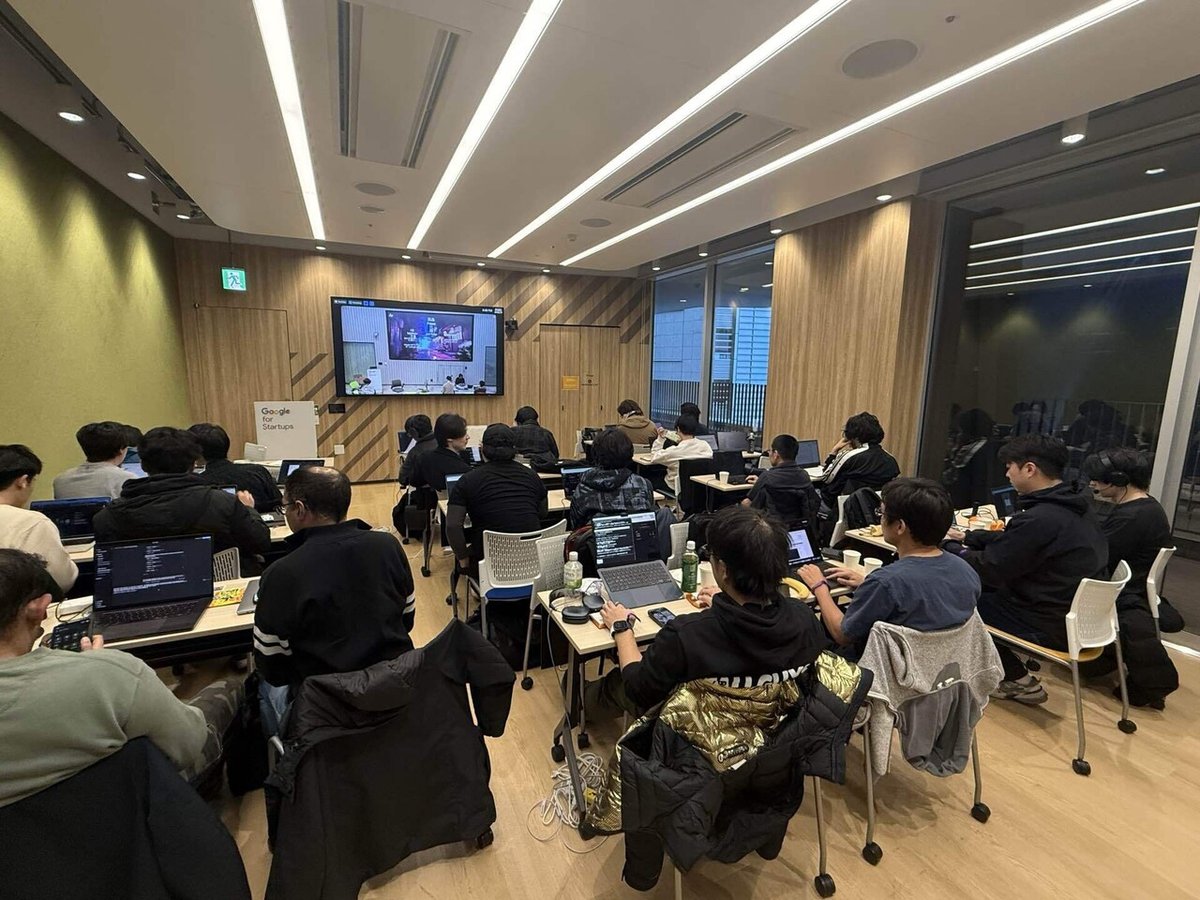
Meeting rooms also became development rooms!
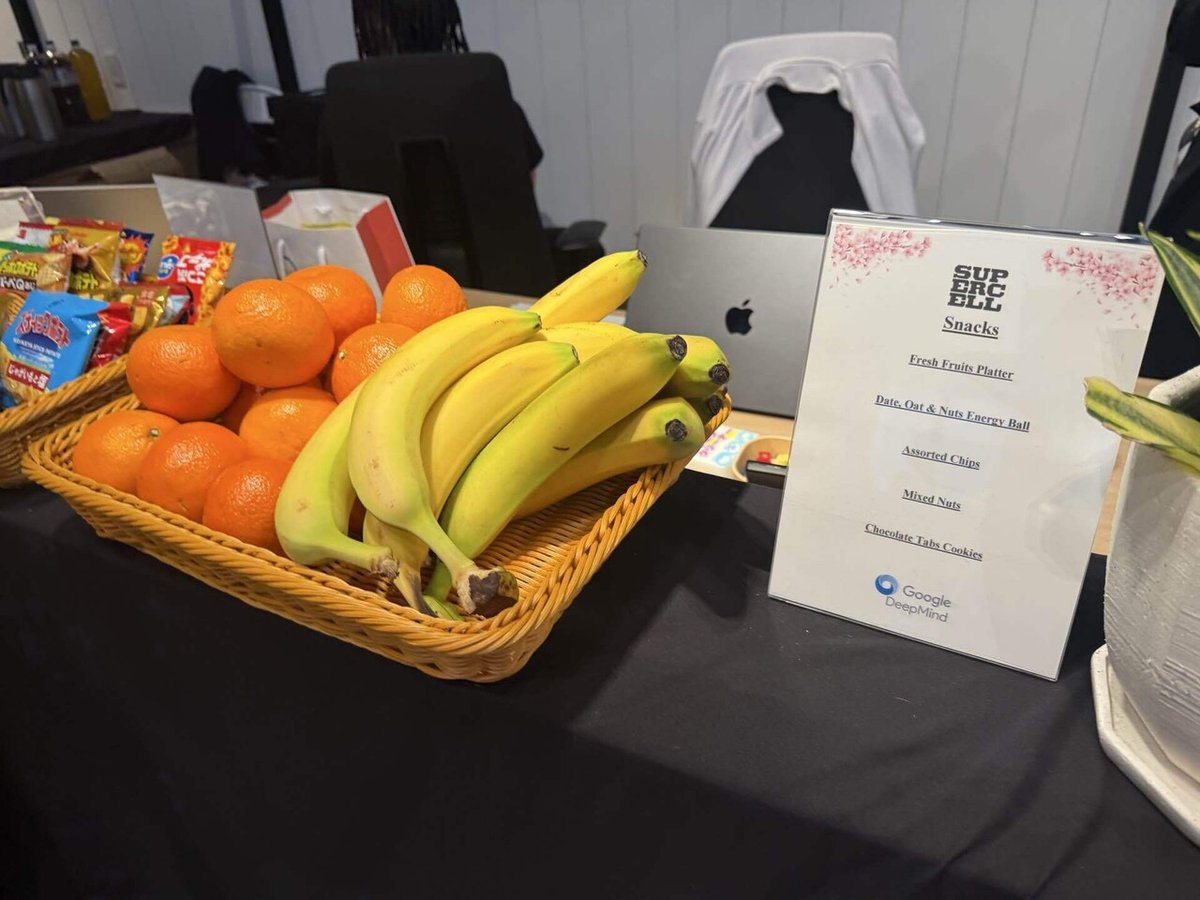
Fresh snacks too! Thank you sponsors, Supercell & Google Deepmind!
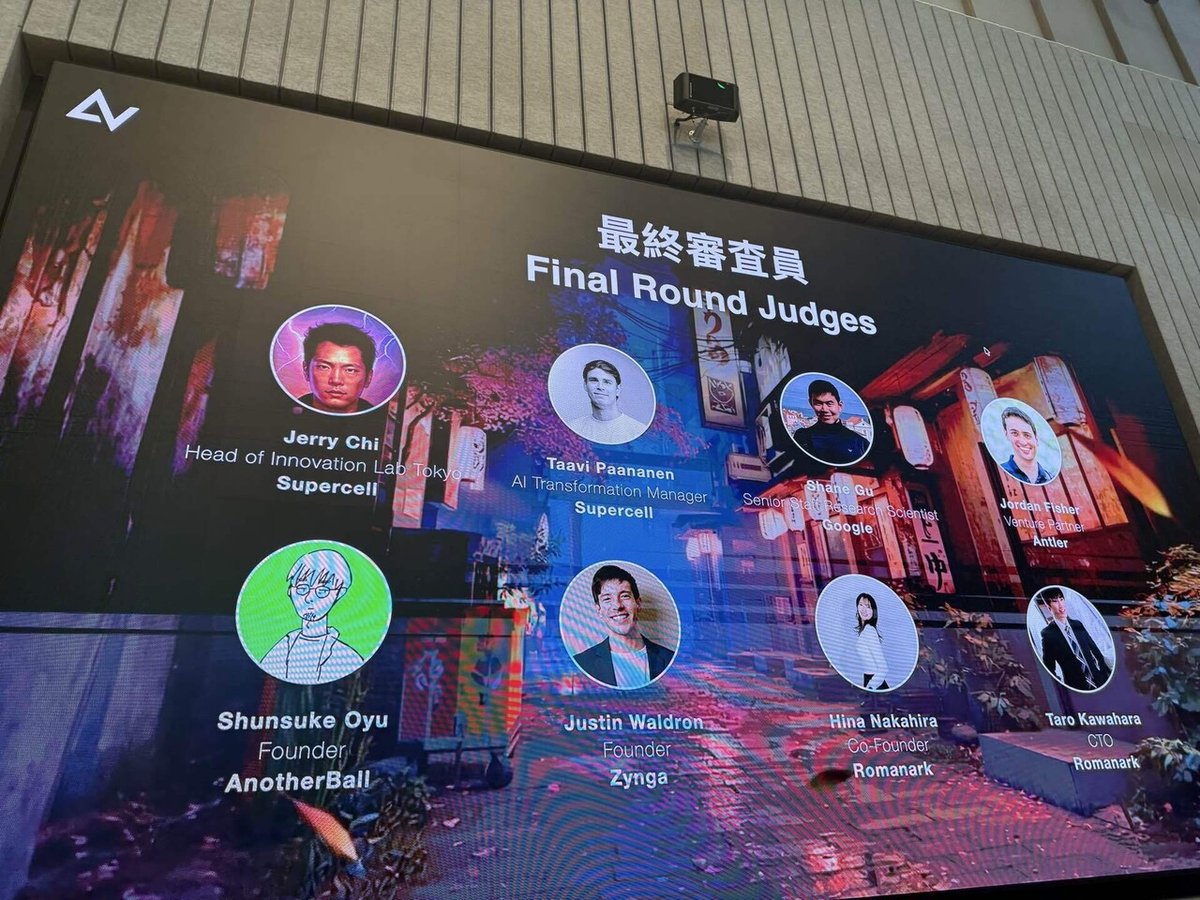
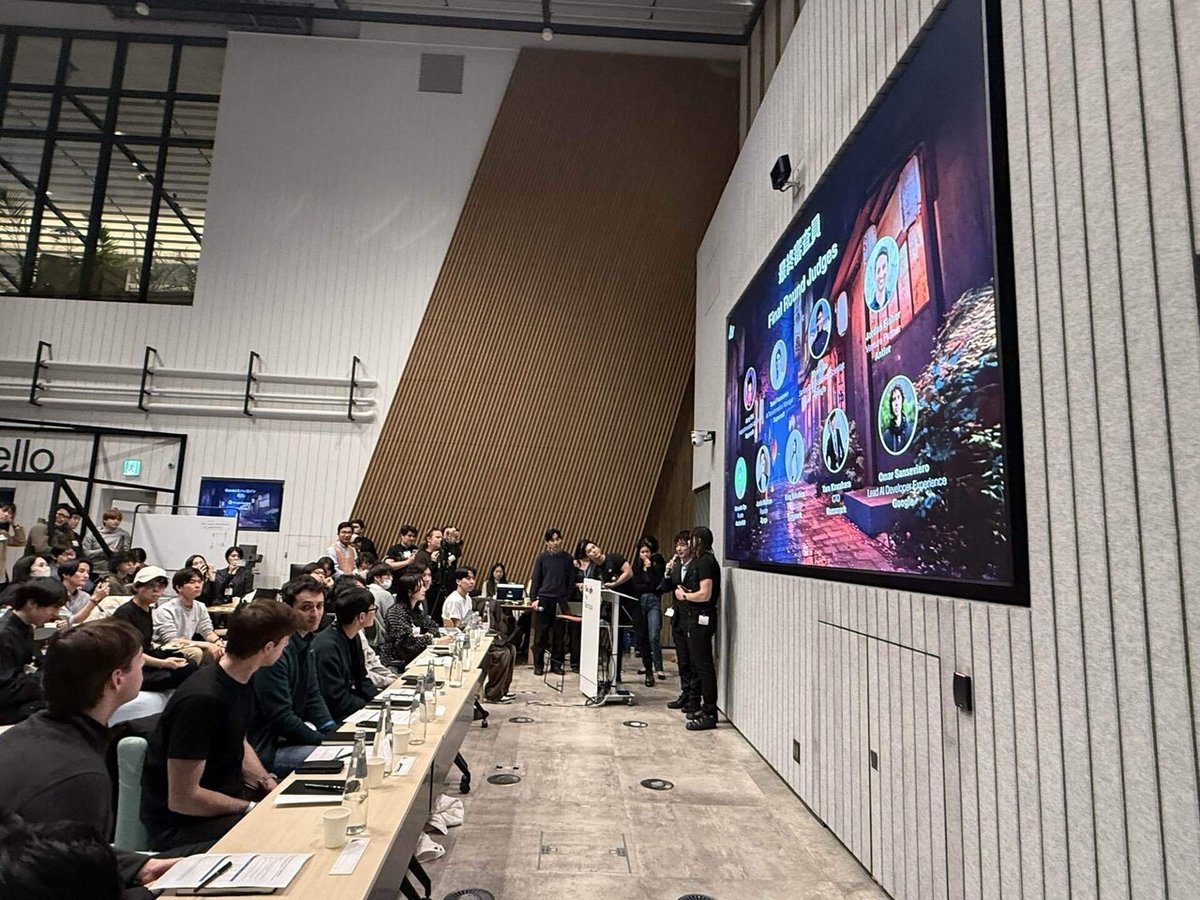
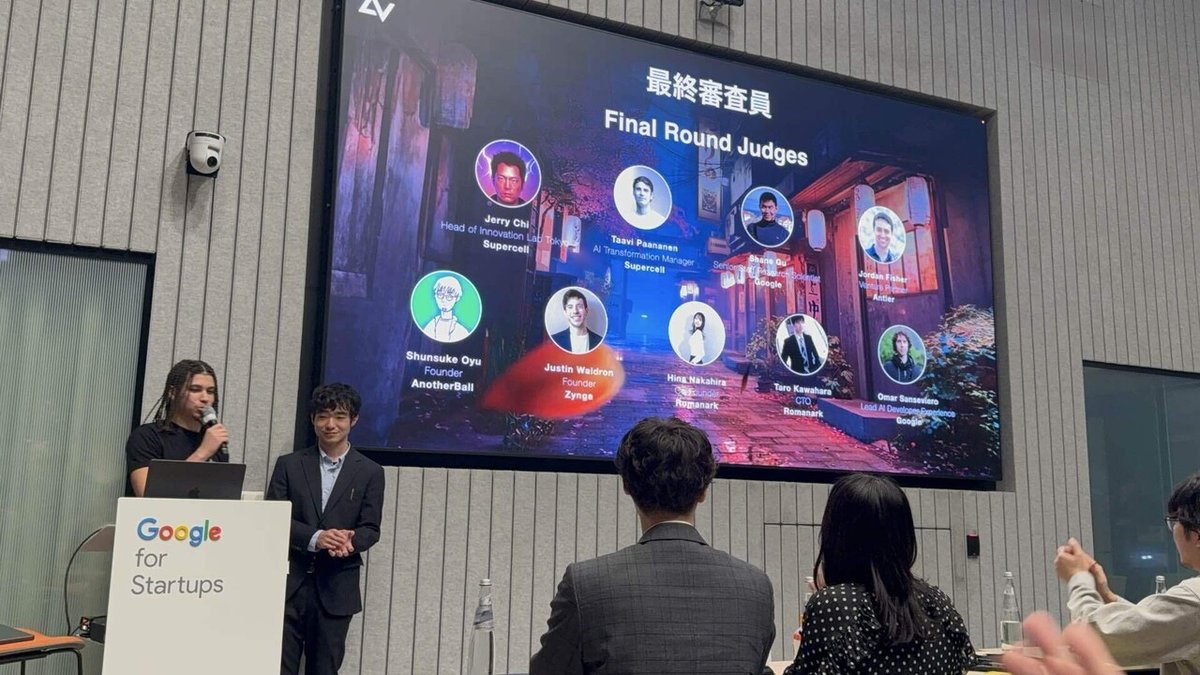
The judges were revealed
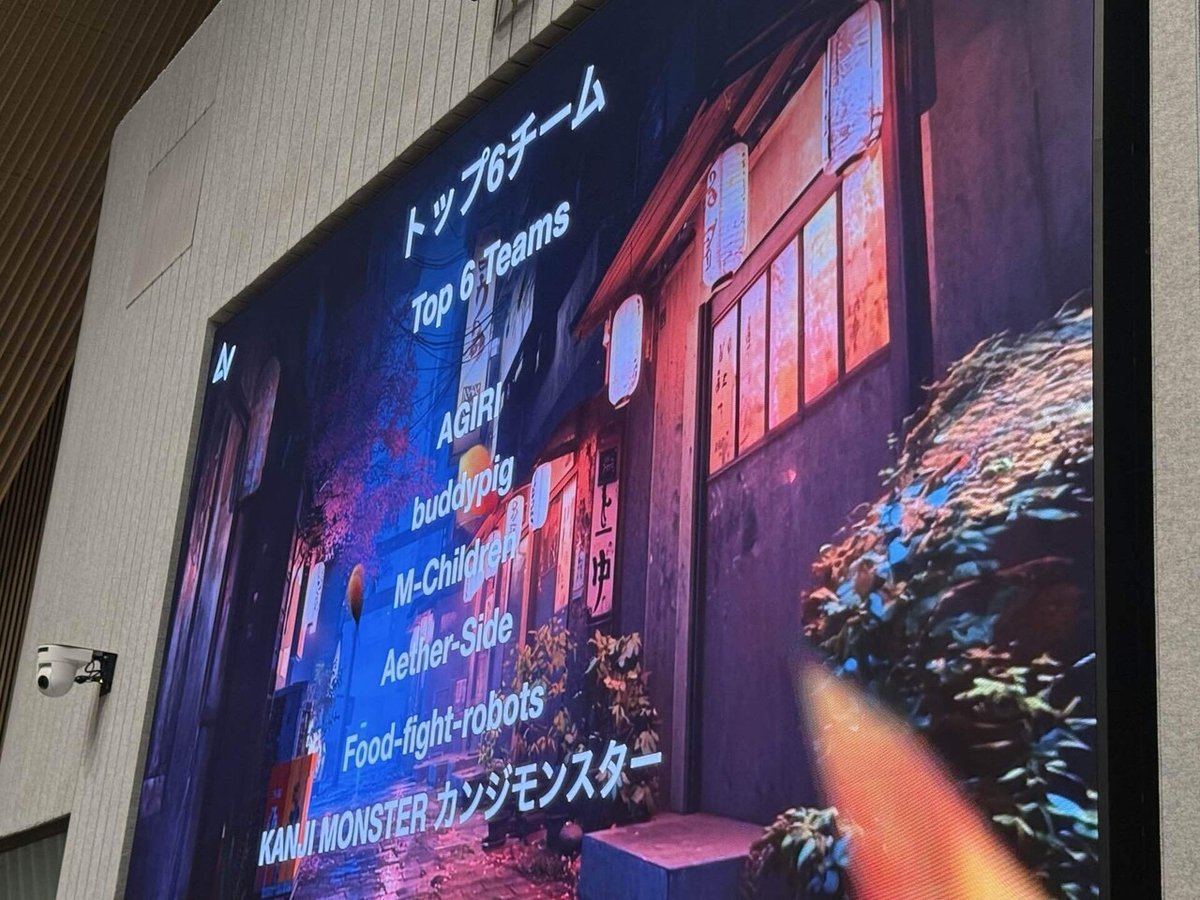
After the 3-minute English pitch judging of each team in the conference room, the final 6 teams were announced.
Final Presentations by the Top 6 Teams
Since it was not announced until the very end, the pitch was given in a "farm-to-table" state.
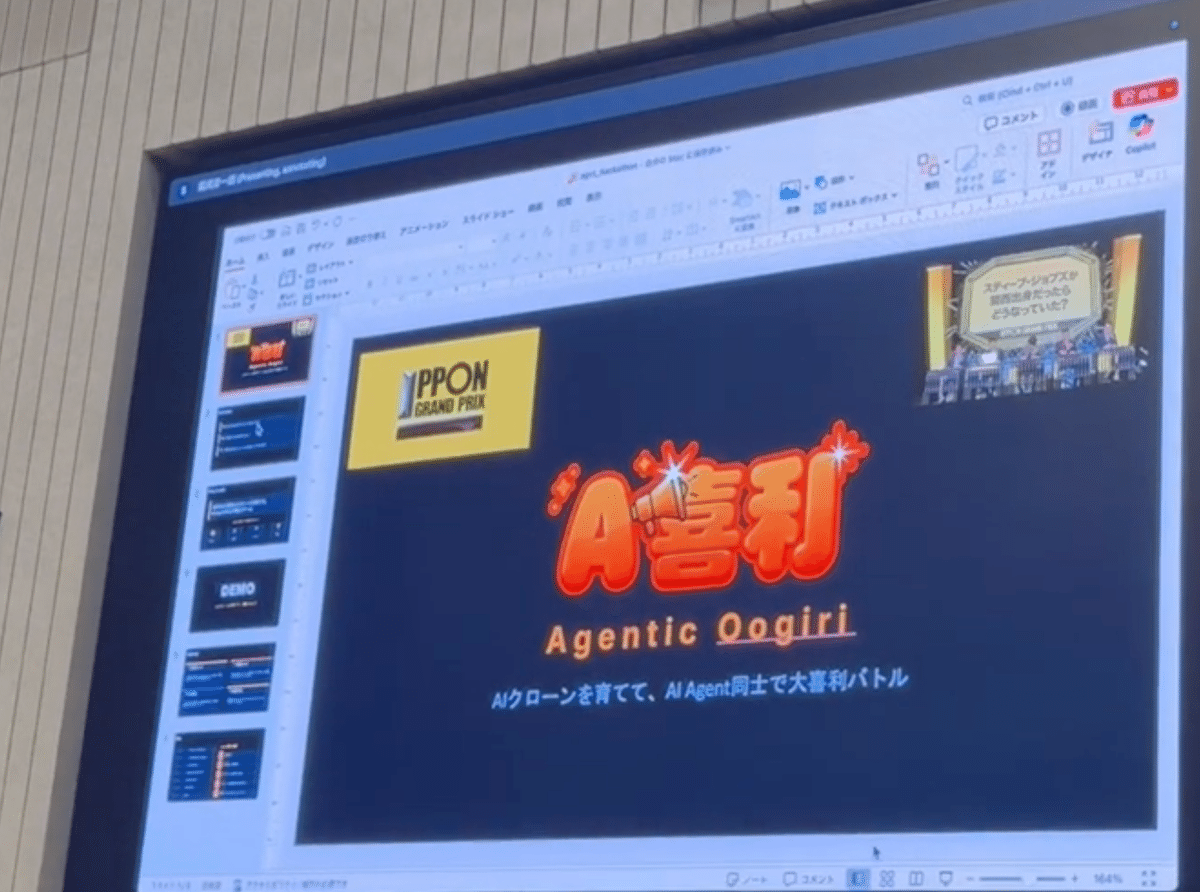
AGIRI (A Kiri)
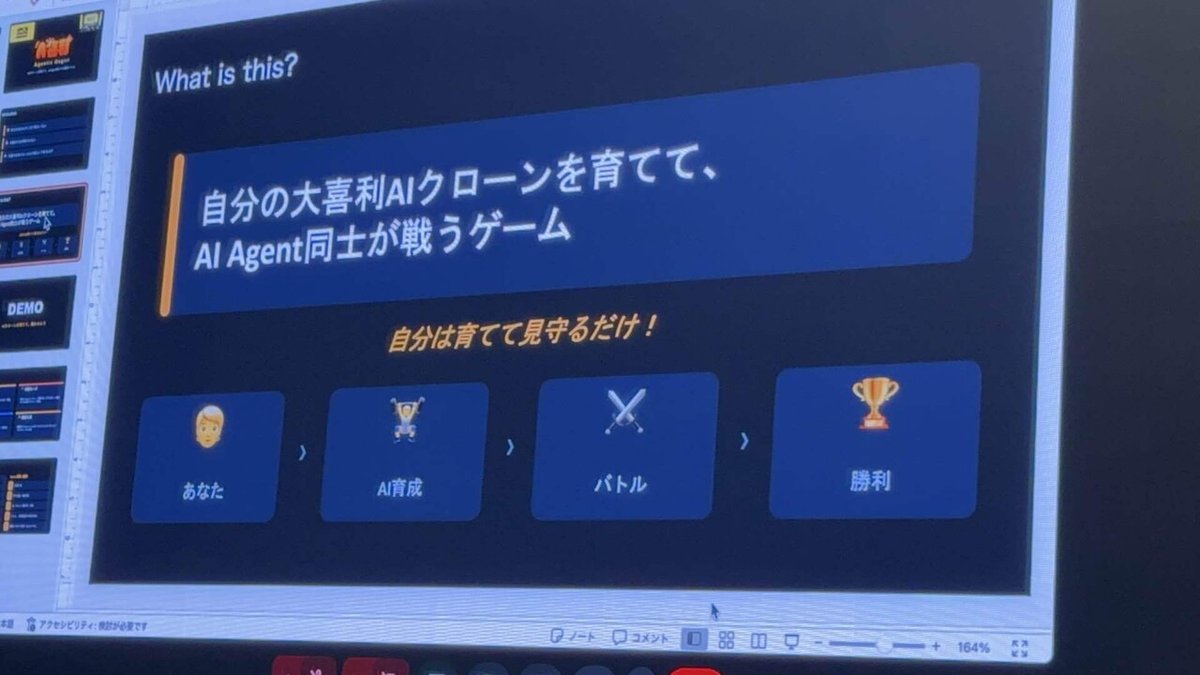
AI Battle Game with Questions!
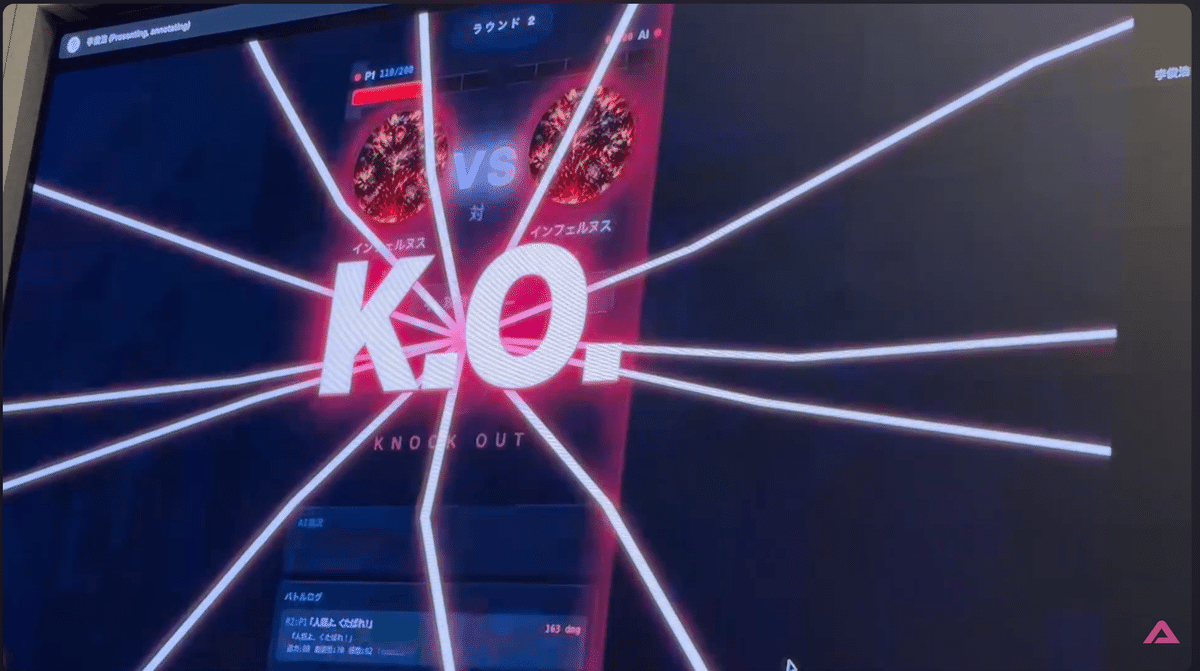
Concept: AI-Powered Question Battle Game Summary: Instead of users answering questions themselves, they educate their own "AI agent" and have it fight against other people's agents. Features: You can select the AI's personality, such as "surreal," "explosive (Hollywood Zakoshisho-style)," or "clever (Bakarhythm-style)." By answering questions yourself, you can have the AI learn your own sensibilities and tendencies for jokes (training). In battles, AIs compete against each other, and AI judges who imitate famous people such as Hitoshi Matsumoto evaluate them. Technology: Feature injection into system prompts, visualization of answers using an image generation model (Nano Banana).
Fight against others through AI. The judges themselves also create various AIs, and the design is such that you can keep improving as you repeat.
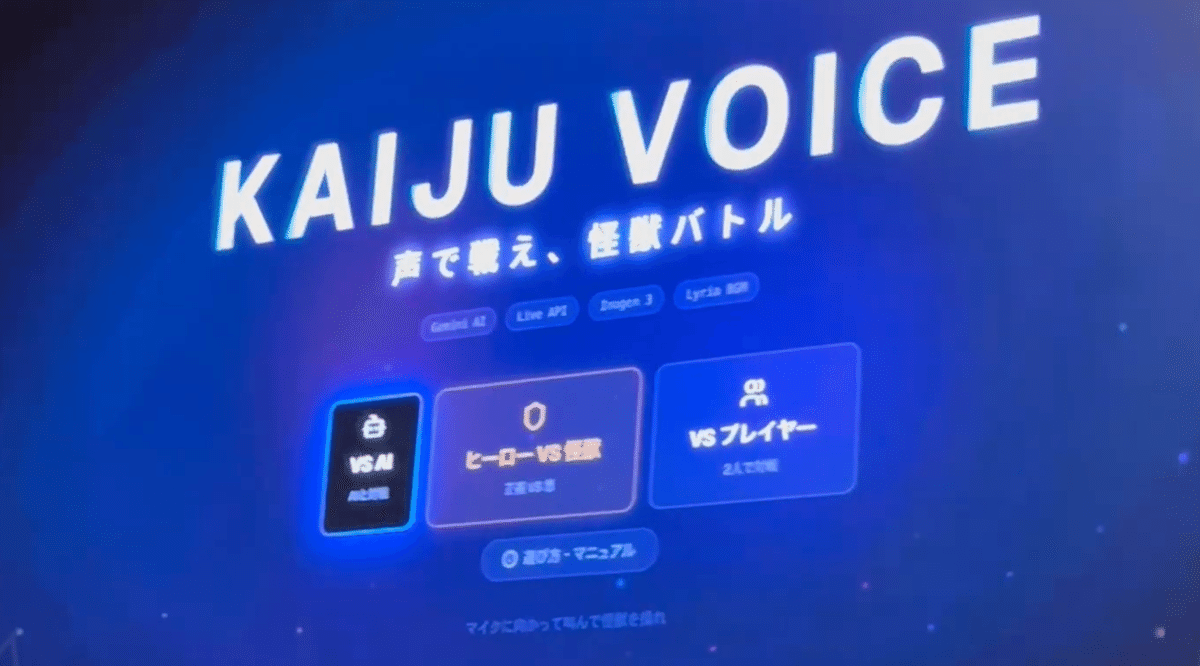
buddypig "KAIJU VOICE"
Voice Recognition Action Game
Concept: Skill battle that fights with the power of voice Summary: Using Google's voice recognition, the AI judges the "size," "emotion," and "originality" of the words shouted into the microphone and performs an attack.
Features: Skills are activated by shouts such as "Take this!" and "Inferno!" Emotional analysis and BGM generation are used, and the music changes according to the battle situation. The aim is to create a mechanism in which emotional and expressive utterances like those of voice actors lead to higher evaluations (attack power).
M-Children "Prompt Dojo"
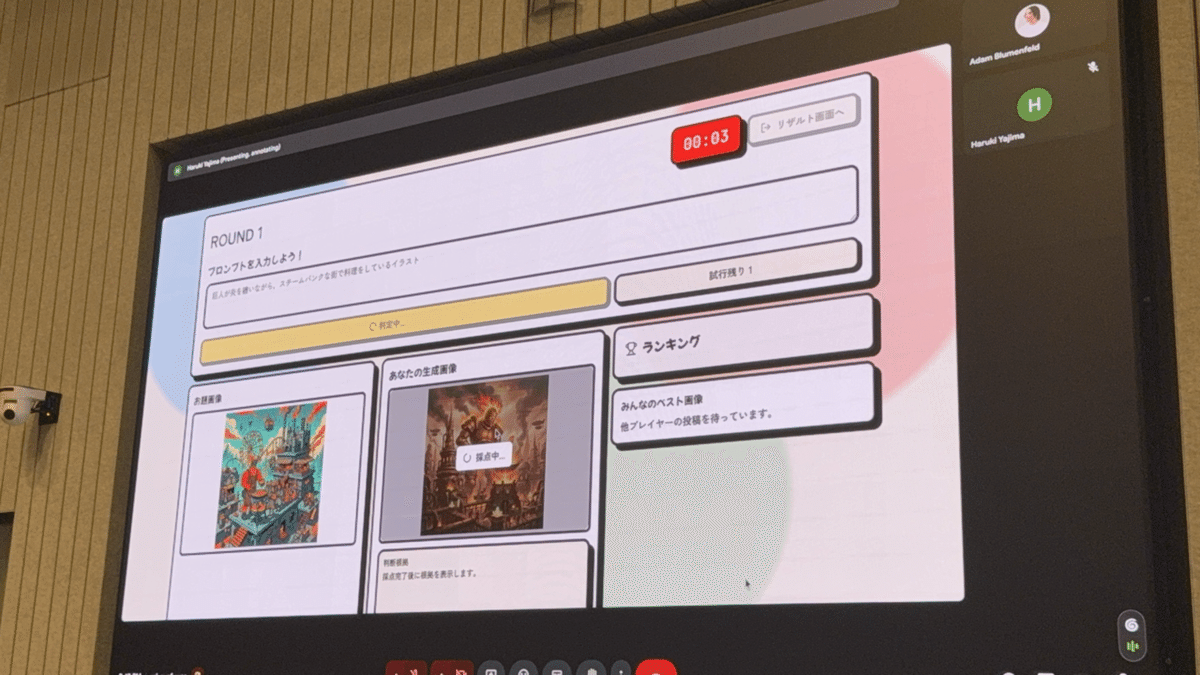
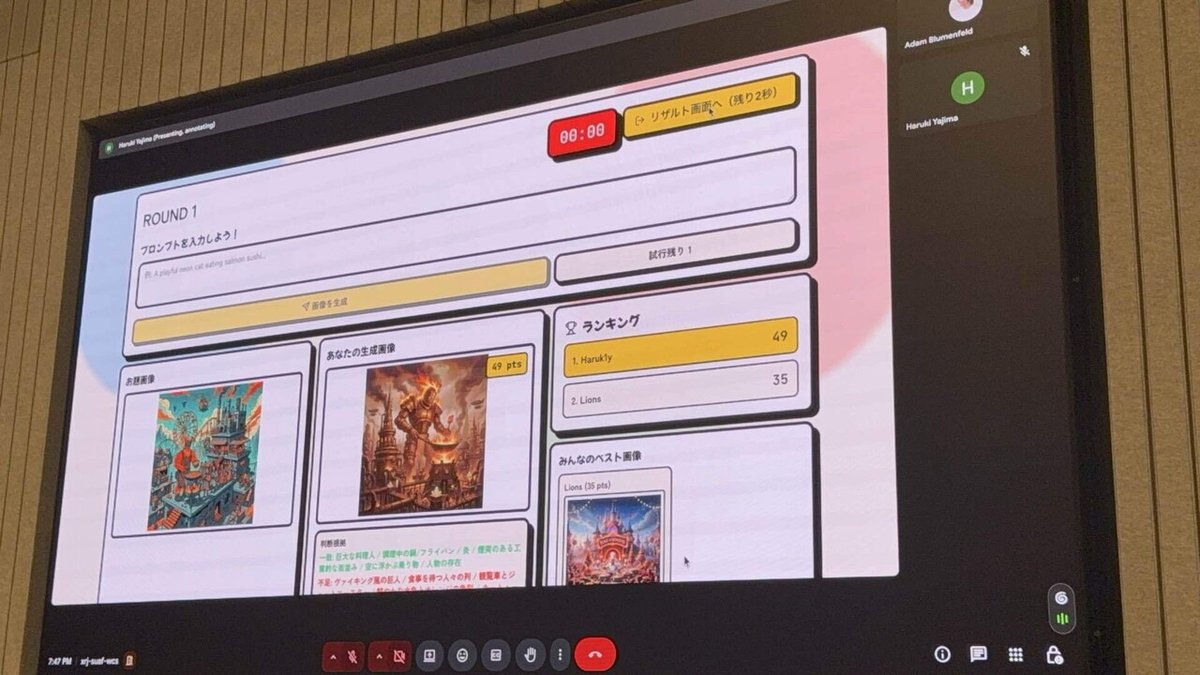
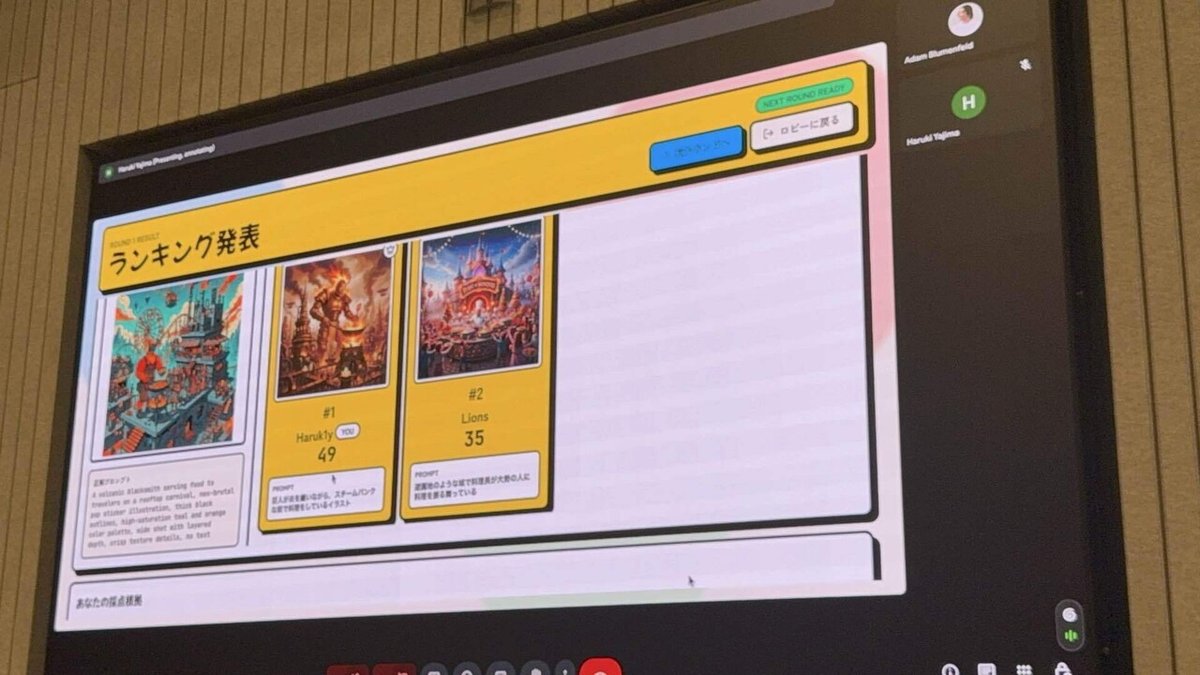
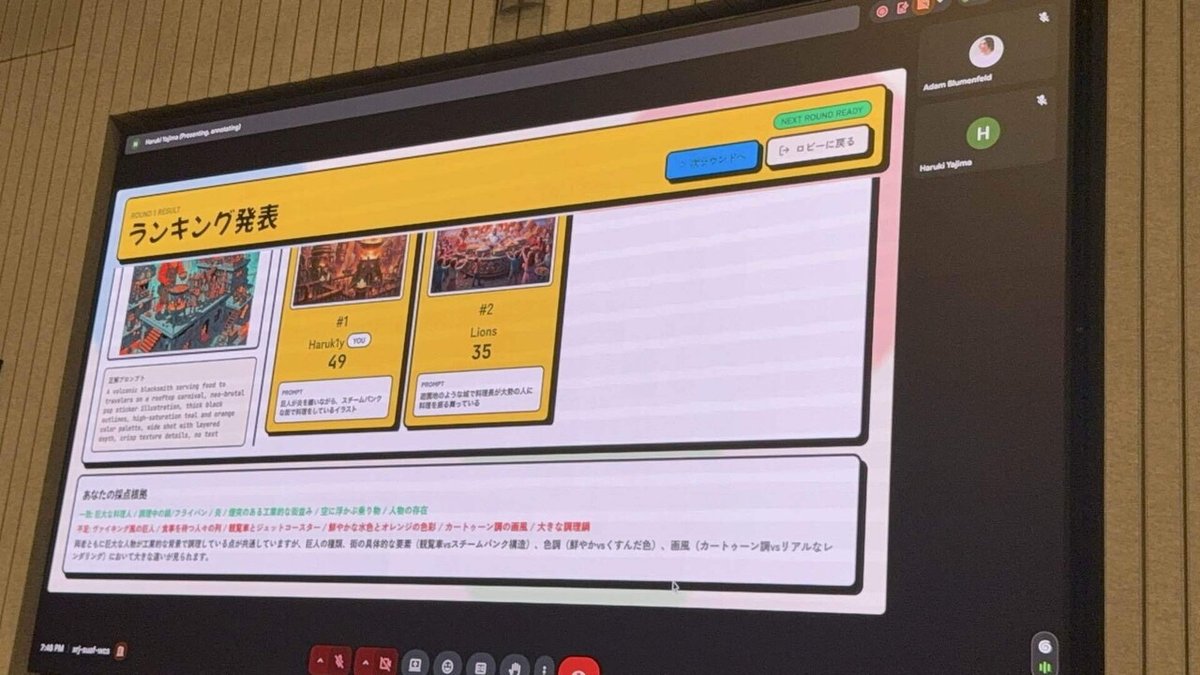
Concept: A competitive game for learning image generation prompts Summary: Looking at the "theme image" generated by Gemini, guess what kind of prompt (instruction) was used to draw it, and compete on the degree of matching. Features: The AI actually generates an image using the prompt entered by the user and scores the similarity to the theme. On the results screen, Gemini advises on "what was missing," so you can learn prompt engineering while having fun. Currently, themes are generated by combining specific keywords (theme and setting).
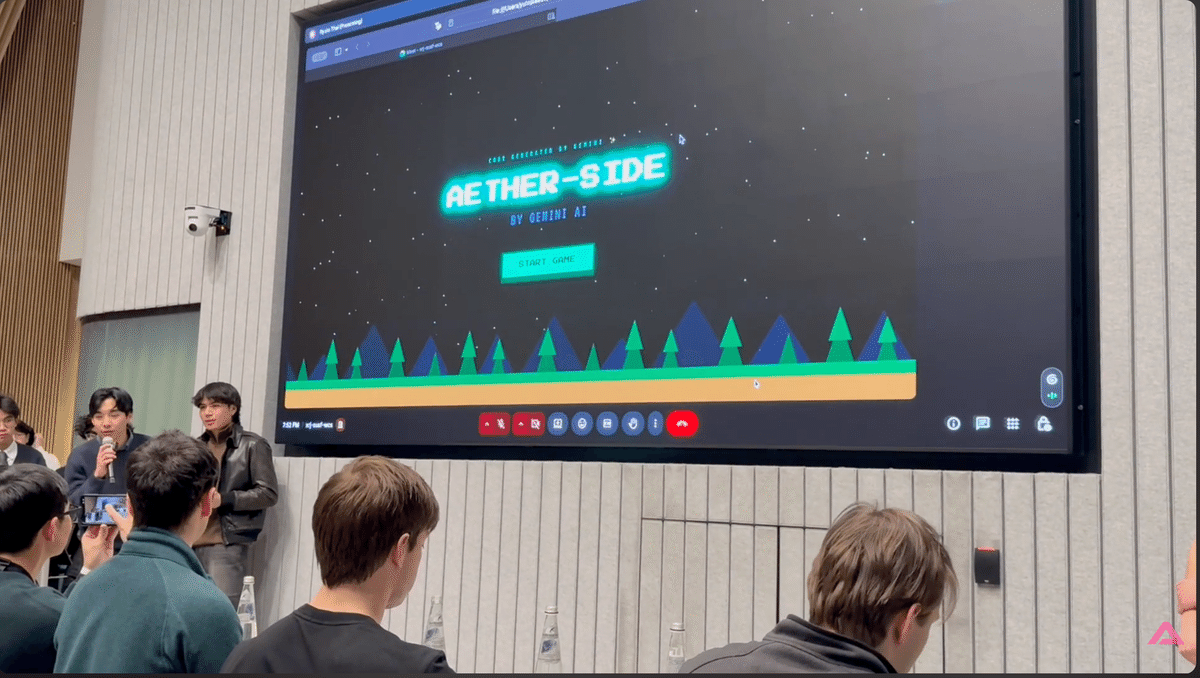
Aether-Side
Concept: A sandbox game with no restrictions where AI becomes a crafting table
Summary: A world where you can "make anything you want depending on your imagination" from the materials you have on hand, rather than following the recipes that are determined like in Minecraft. Features: AI (Gemini & Nano Banana) interprets combinations that would normally be impossible, such as "making a primitive gun with a flower stem and a stick," and generates items. Enemies (Mobs) also evolve and arm themselves randomly according to the player's level and requests. The AI detects and restricts extreme requests that disrupt the game balance.
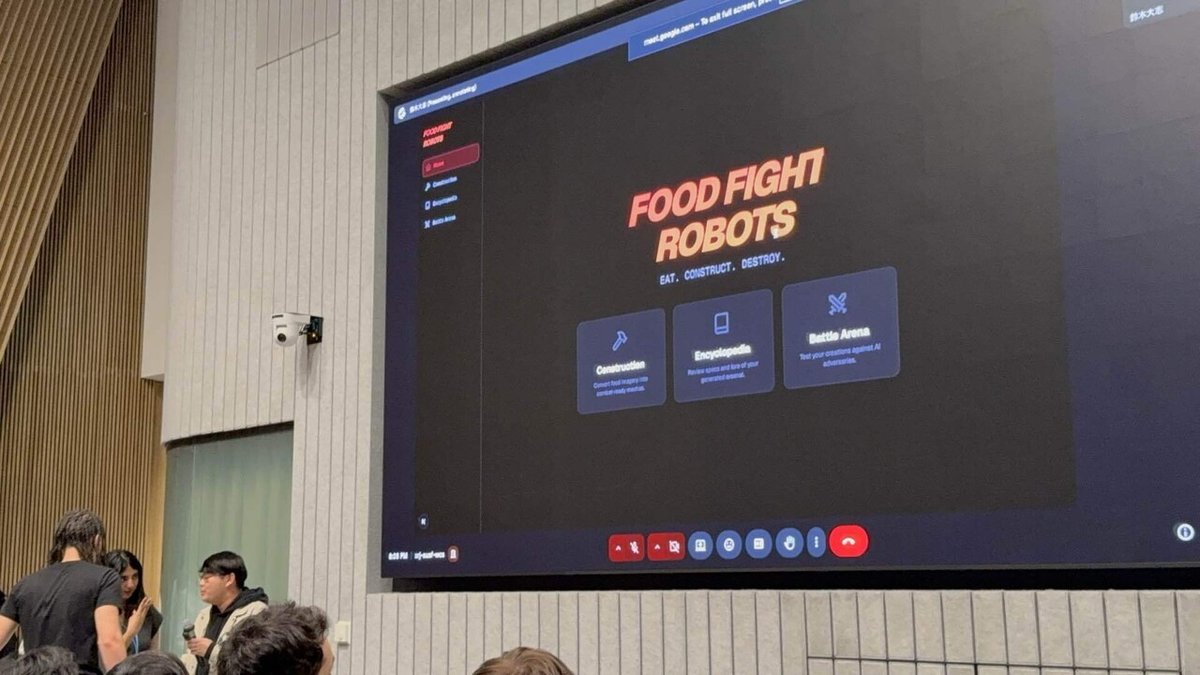
5: Food Fight Robot
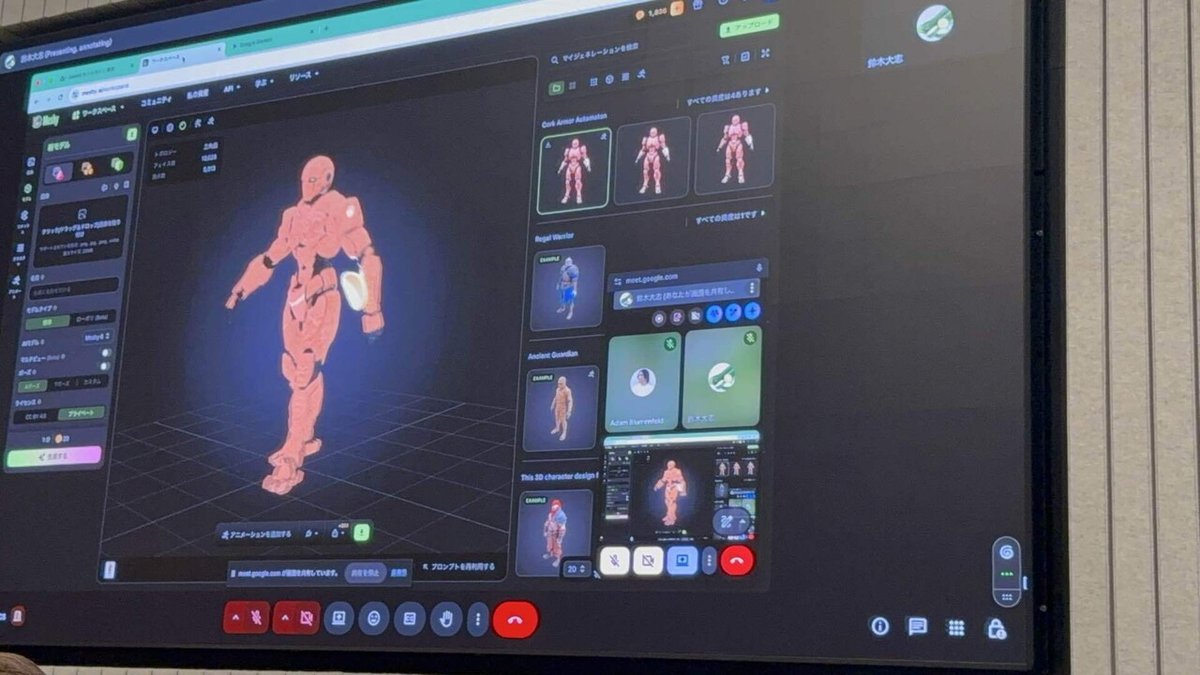
Concept: "Eat! Construct! Destroy!" Transform photos of food into robots and fight
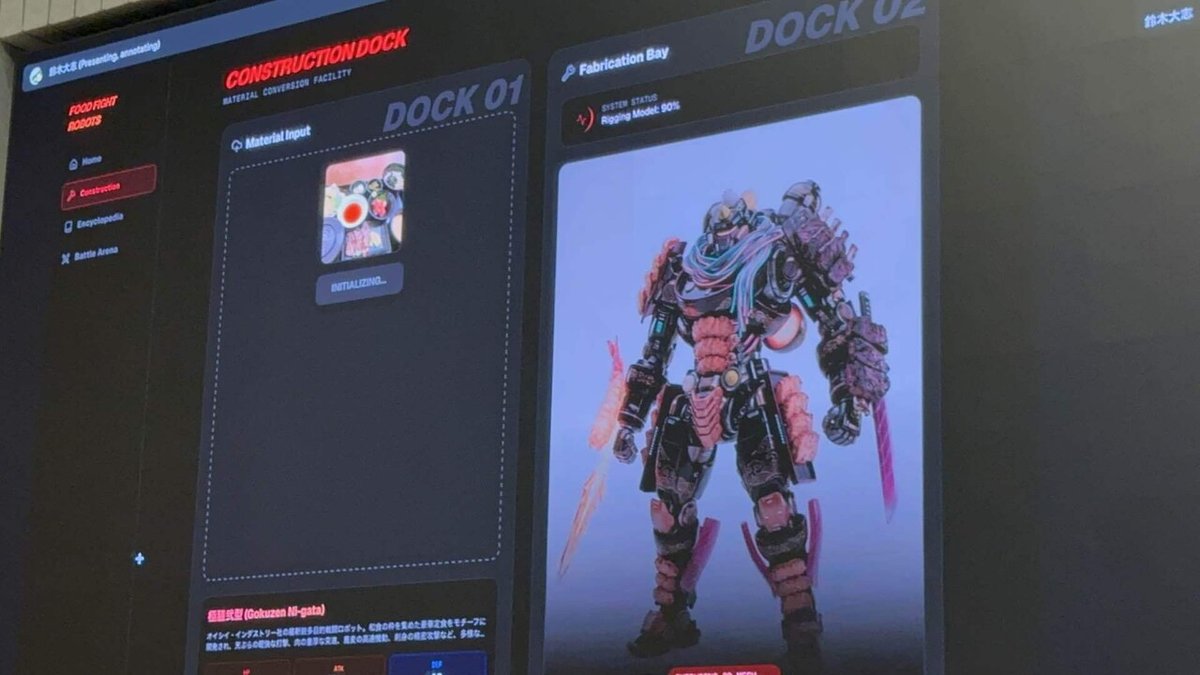
Summary: When you upload a photo of food on your smartphone, the AI generates a 3D robot that captures its characteristics.
Features: Example: A robot with a fleshy texture is born from an image of raw meat, and a robot with high attack power is born from roast beef.
Technology Pipeline: Generate robot images with Nano Banana, and then automatically perform 3D modeling, rigging, and animation with "Meshy AI" etc. The idea is to turn the time it takes to generate (about 10 minutes) into a "robot construction time" (waiting time like shipbuilding in Kantai Collection).
6. Team: Kanji Monster
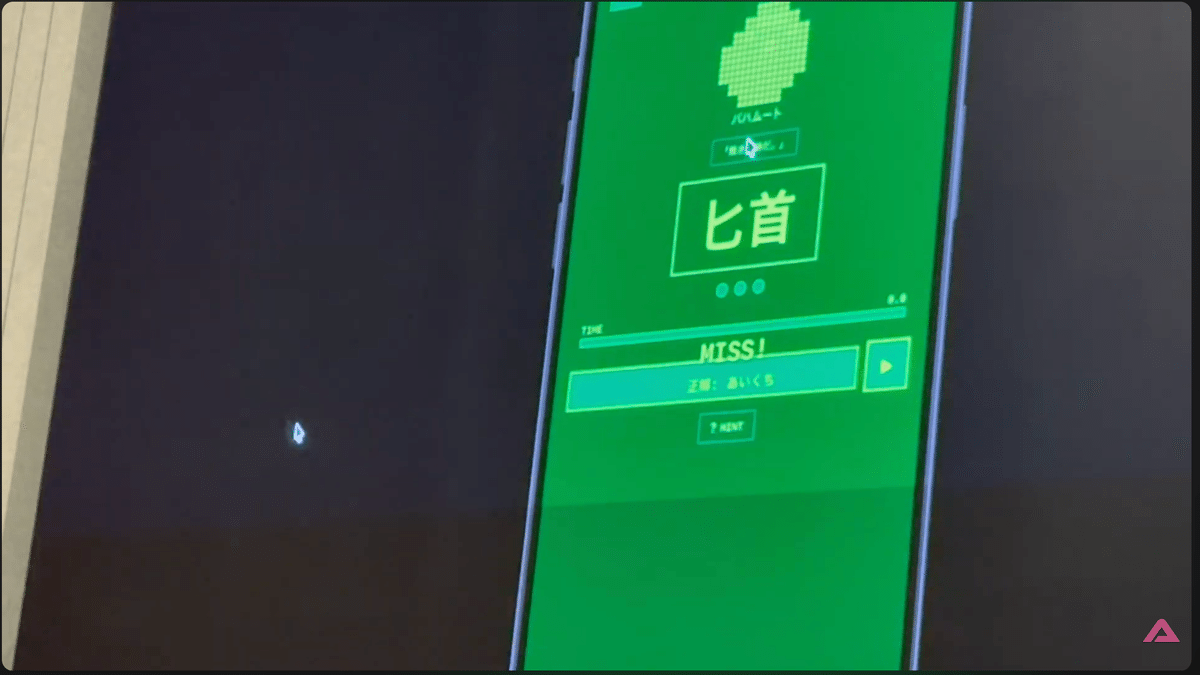
Concept: Kanji learning battle app for foreign learners
Summary: An educational game where you defeat monsters by answering the correct kanji.
Features: Uses the Gemini API to select kanji tailored to the user's level, dynamically generate hints, and generate monster lines.
Native implementation with SwiftUI (developer is a former designer who has been self-taught for 1 year). Implementation of BGM changes according to level (difficulty) using the latest Gemini music generation function.
Be sure to check out the passionate Q&A session with the judges on YouTube! https://www.youtube.com/watch?v=YBA9t-JiNf4
Grand Finale of Emotion!
The Winning Work Is!!?
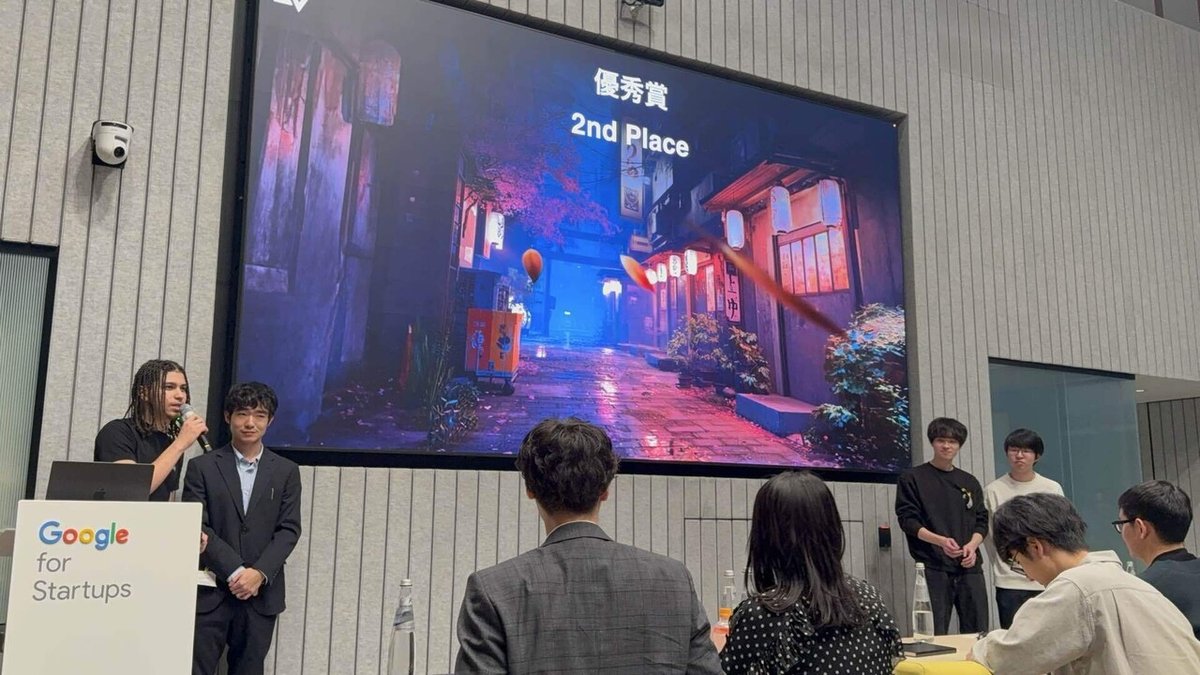
Result Announcement
3rd Place: M-Children "Prompt Dojo"
Runner-up (2nd Place): buddypig "KAIJU VOICE"
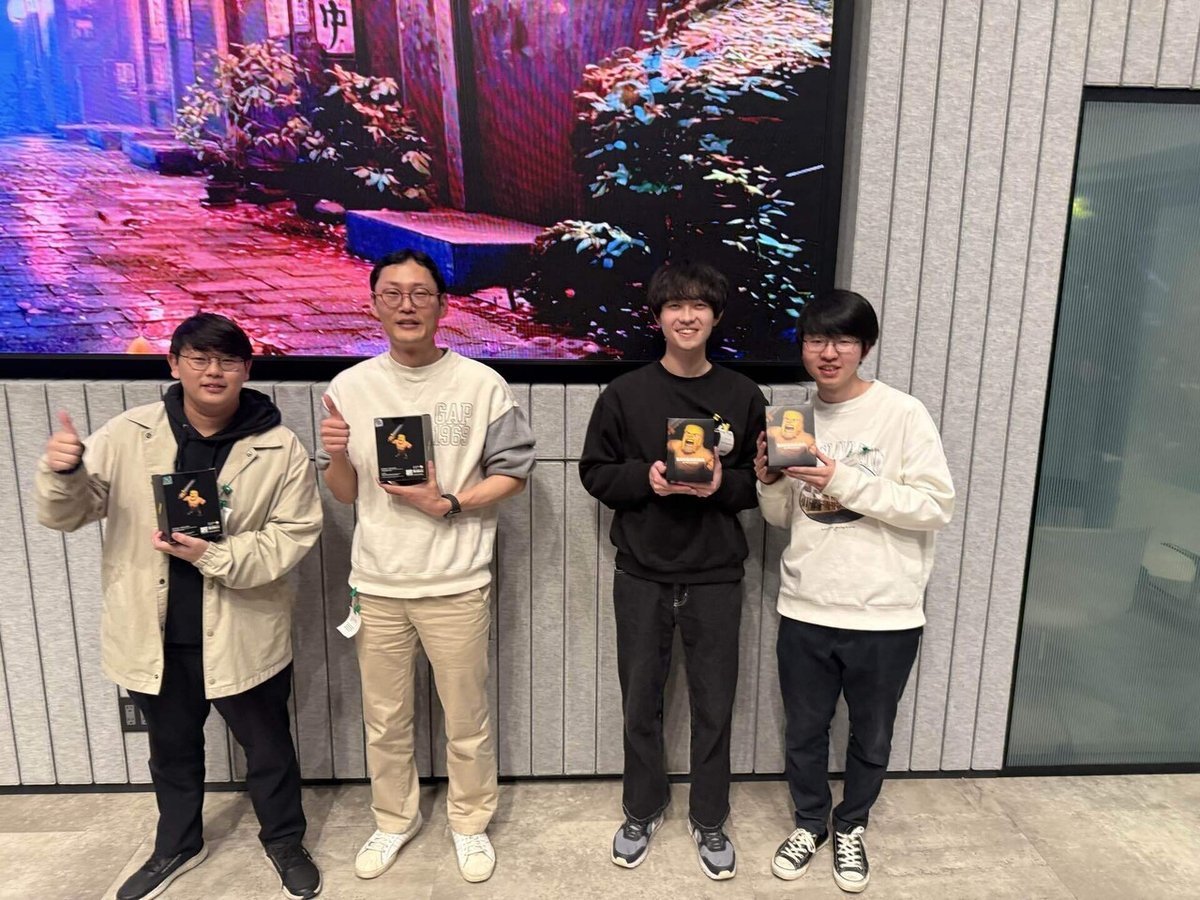
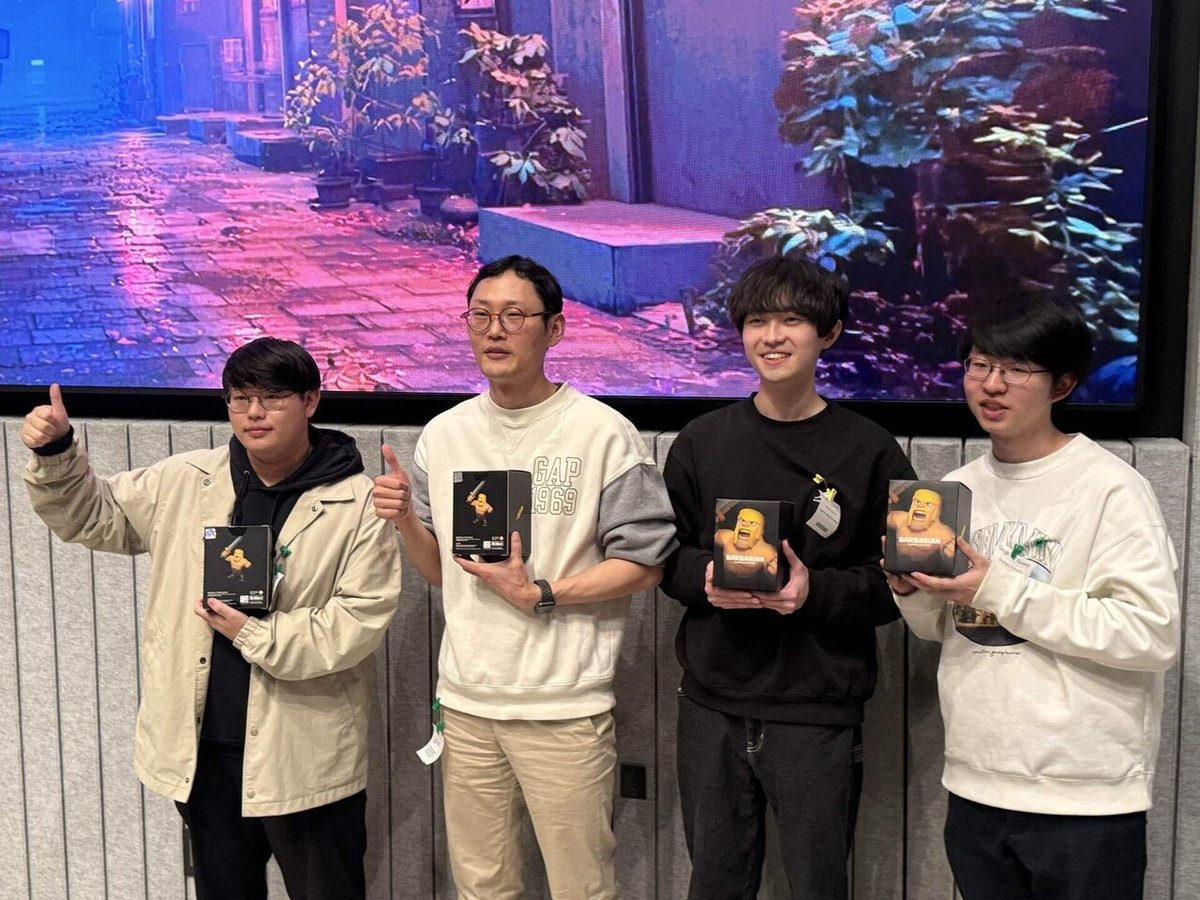
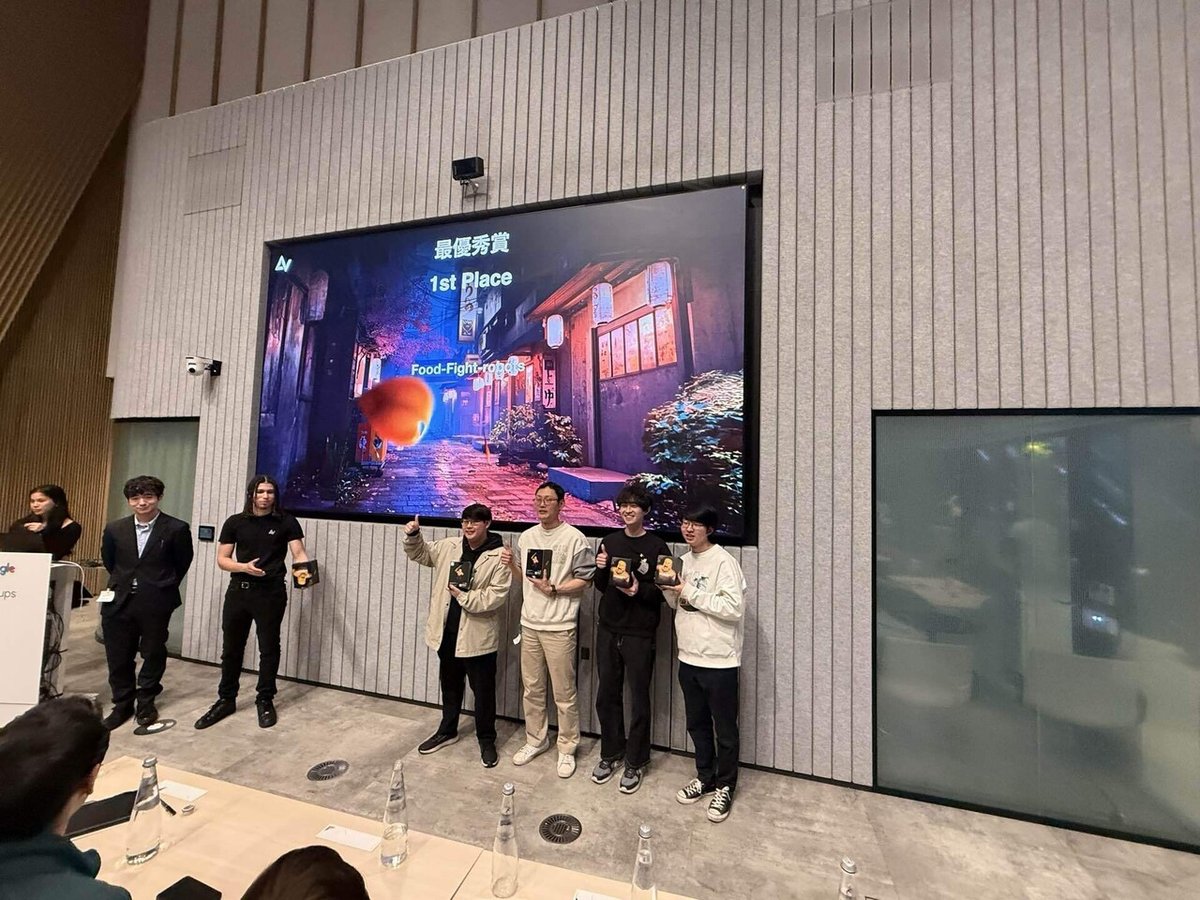
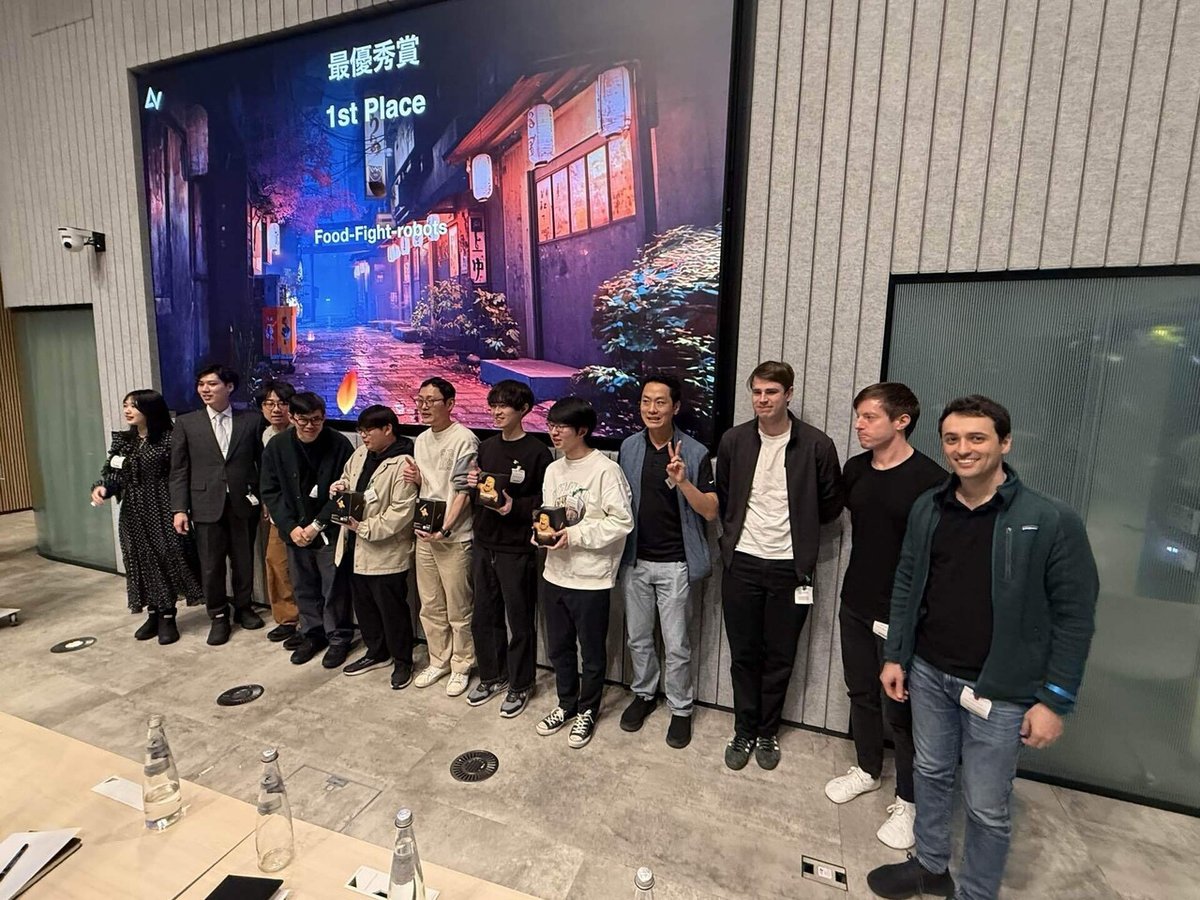
Winner (1st Place): " Food Fight Robot"
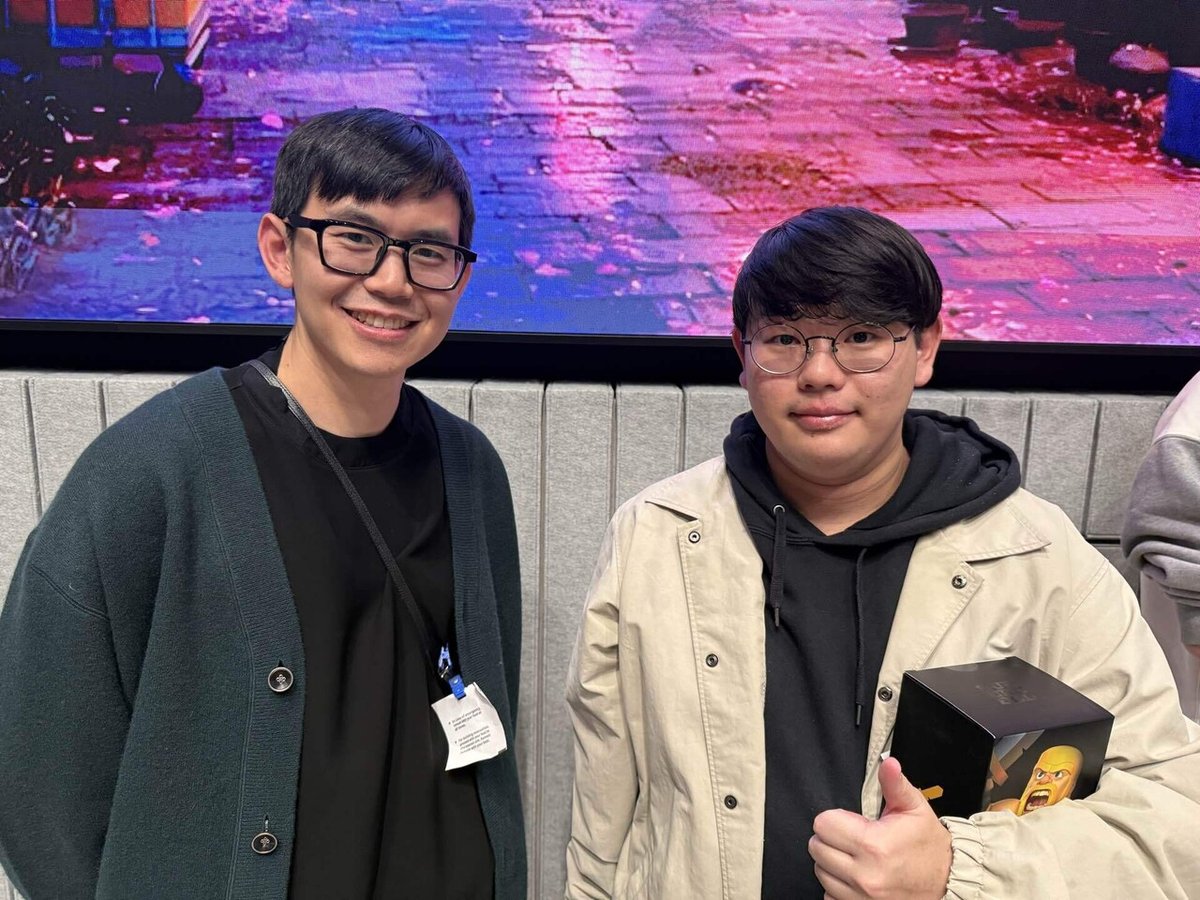
Judges Shane Gu (@shanegJP) and winner Zukky (@zukky_rikugame)
I was able to remain a finalist, but I missed out on the victory! The top teams were all amazing! The winner is Food-fight-robots! Congratulations!
I'm honestly disappointed because I really wanted to win, but I'm going to use this disappointment as a springboard to create an iOS app! #Gemini3hackathon #Gemini3hackathonTokyo #GoogleDeepMind pic.twitter.com/J2FfrjjrBR
— Shohei iOS (@Perk_sh)
Loading tweet component...
?ref_src=twsrc%5Etfw">February 21, 2026SUPERCELL Exchanged business cards with Jerry Chi
The location of the Tokyo AI Innovation Lab has been decided at Campus Tokyo at Google (Shibuya Stream)! I think it's a comfortable and creative space 🎵 There are only a few days left until the application deadline! https://t.co/sOIjOV5fP9
— Jerry Chi (ジェリー・チー) (@peacej)
Loading tweet component...
?ref_src=twsrc%5Etfw">February 19, 2026AI is not magic. I'm excited to see what kind of buds the new "seeds" that were born at this hackathon will sprout from now on. The spring of AI developers, people who can create experiences that are not ordinary, is definitely coming. Clearly, a new era has begun. The winner, Zukky (@zukky_rikugame), is a developer related to music. I would like to keep a close eye on it from the fields of music and development technology.
Thank you to all the hackers who participated. If you enjoyed this article, please listen to my music.
Soon, a contest using my new song "PicoPico Shooting Game!" will be announced... hopefully!